Fueling Up: What to Eat Before You Work Out
Getting the right nutrients before a workout can improve performance, reduce fatigue, and help your body recover faster. Here’s how to eat smart before breaking a sweat.
When to Eat
Timing matters: Aim to eat a balanced snack or light meal about 30 to 90 minutes before your workout. This gives your body time to digest and convert food into usable energy.
What to Eat: Nutrients That Power Your Workout
Carbohydrates for Quick Energy
Your muscles rely on glycogen, which comes from carbs, for high intensity workouts.
Choose complex carbs like:
Oats
Banana
Whole grain toast
Add Lean Protein
Including a small amount of protein before your workout can help reduce muscle breakdown.
Great pre workout protein options:
Greek yogurt
Boiled egg
A few nuts with fruit
Hydrate Before You Move
Water is crucial for performance and to prevent dehydration.
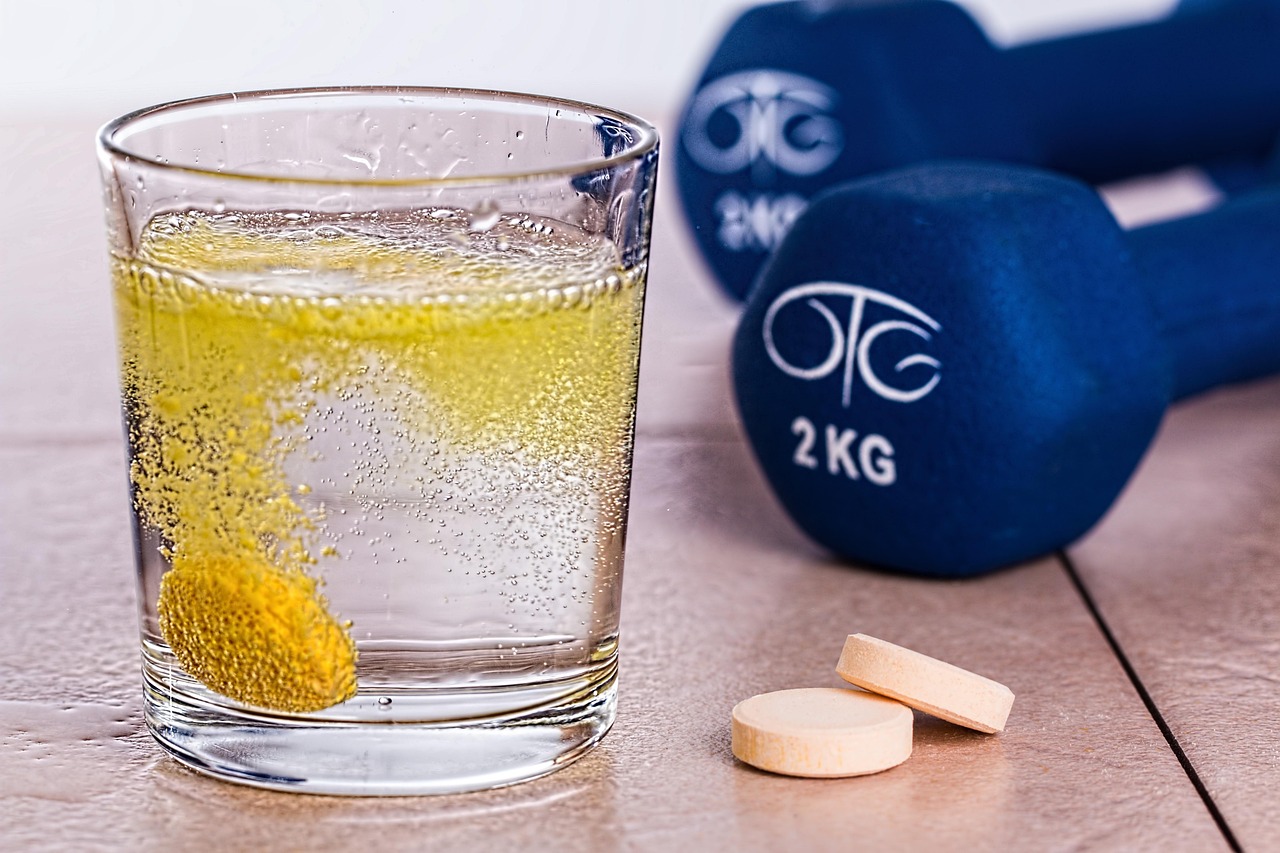
For longer or more intense sessions, consider adding electrolytes to support fluid balance and muscle function.
Foods to Avoid
Skip anything that’s high in fat or fiber, as these digest slowly and can lead to cramps or sluggishness.
Examples: Fried foods, heavy dairy, large portions of beans or cruciferous vegetables
Planning your pre workout fuel properly helps you feel energized, focused, and ready to perform.
Banana + nut butter: A fast, no fuss combo. The banana gives you quick burning carbs while nut butter adds healthy fats and a touch of protein. Easy on the stomach and gets you out the door fast.
Whole grain toast + sliced boiled egg: Solid pre workout fuel that won’t weigh you down. The toast covers your carb needs, while the egg adds long lasting protein. Great for morning sessions or midday lifts.
Small smoothie with fruit and Greek yogurt: If eating feels heavy, drink your fuel. Blend up berries, banana, and a scoop of Greek yogurt. It’s light, digestible, and gives both carbs and protein in a form your body can absorb fast.
Oatmeal + berries: A classic go to for early workouts. Slow digesting oats give you sustained energy, while berries offer antioxidants and natural sugars. You’ll stay fueled without feeling stuffed.
Check out how your food philosophy plays into fitness: Plant Based vs Protein Diets
Recover Right: What to Eat After You Work Out
Refueling after training isn’t optional it’s part of the workout. Aim to get something in your system within 30 to 60 minutes. That window matters. It’s when your body is most primed to absorb nutrients and start rebuilding.
Protein comes first. It’s the building block your muscles need to recover and come back stronger. Whether it’s a piece of lean meat, a scoop of protein powder, or a simple cottage cheese cup, get it in.
Next up: carbs. You burned through glycogen stores during your session; now it’s time to refill them. Go for smart carbs quinoa, whole grains, fruit. Think energy that lasts, not a sugar spike.
And don’t forget fluids. Water is your baseline, but if you’ve sweat buckets, reach for a low sugar electrolyte drink. Hydration isn’t fancy, but it’s essential.
Eat with purpose. Your body worked hard now help it bounce back.
Grilled chicken with roasted vegetables and quinoa: A solid go to. You get lean protein for muscle repair, fiber and antioxidants from the veggies, and complex carbs to replenish energy stores. Simple, balanced, and effective.
Protein smoothie with almond milk, banana, and chia seeds: Fast to make and easy to digest. The banana brings back lost glycogen, chia adds omega 3s and fiber, and the almond milk keeps it light. Great for post workout when your appetite isn’t back yet but your body needs fuel.
Cottage cheese with pineapple: Protein packed, with natural carbs from the fruit to boost recovery. It’s not everyone’s first pick, but it gets the job done without fuss.
Hummus in a whole grain wrap: Ideal for plant based recovery. Chickpeas give you plant protein and fiber, while whole grains offer the carbs your body needs. Toss in some greens or grilled vegetables and it’s a full meal.
Explore the pros and cons of your diet approach: Plant Based vs Protein Diets
Tailor It to You
There’s no one size fits all formula when it comes to food and fitness. What you need to eat depends on how hard you train, what time you work out, your overall goals, and your dietary framework and those variables often shift week to week.
If you’re hitting the gym for muscle gain, aim for more protein across both pre and post workout meals. If endurance is your thing long runs or cycling sessions carbs need to pull more weight. Morning workouts might call for something lighter, while evening sessions give you more room for bigger meals.
Whether you’re all in on plants or stacking protein every chance you get, the heart of it stays the same: stay balanced. Fuel with purpose beforehand, refuel with strategy after. Don’t overthink it. Keep things simple, clean, and steady. The food that powers you should work with your workouts not against them.
 Victoria Sladeyan is the kind of writer who genuinely cannot publish something without checking it twice. Maybe three times. They came to exercise tips and techniques through years of hands-on work rather than theory, which means the things they writes about — Exercise Tips and Techniques, Fitness Routines and Advice, Health and Wellness Updates, among other areas — are things they has actually tested, questioned, and revised opinions on more than once.
That shows in the work. Victoria's pieces tend to go a level deeper than most. Not in a way that becomes unreadable, but in a way that makes you realize you'd been missing something important. They has a habit of finding the detail that everybody else glosses over and making it the center of the story — which sounds simple, but takes a rare combination of curiosity and patience to pull off consistently. The writing never feels rushed. It feels like someone who sat with the subject long enough to actually understand it.
Outside of specific topics, what Victoria cares about most is whether the reader walks away with something useful. Not impressed. Not entertained. Useful. That's a harder bar to clear than it sounds, and they clears it more often than not — which is why readers tend to remember Victoria's articles long after they've forgotten the headline.
Victoria Sladeyan is the kind of writer who genuinely cannot publish something without checking it twice. Maybe three times. They came to exercise tips and techniques through years of hands-on work rather than theory, which means the things they writes about — Exercise Tips and Techniques, Fitness Routines and Advice, Health and Wellness Updates, among other areas — are things they has actually tested, questioned, and revised opinions on more than once.
That shows in the work. Victoria's pieces tend to go a level deeper than most. Not in a way that becomes unreadable, but in a way that makes you realize you'd been missing something important. They has a habit of finding the detail that everybody else glosses over and making it the center of the story — which sounds simple, but takes a rare combination of curiosity and patience to pull off consistently. The writing never feels rushed. It feels like someone who sat with the subject long enough to actually understand it.
Outside of specific topics, what Victoria cares about most is whether the reader walks away with something useful. Not impressed. Not entertained. Useful. That's a harder bar to clear than it sounds, and they clears it more often than not — which is why readers tend to remember Victoria's articles long after they've forgotten the headline.