

The Two Stretching Styles You Need to Know
Understanding the difference between static and dynamic stretching is key to building a warm up or cool down routine that actually supports your body’s needs. Each type plays a specific role when it comes to flexibility, recovery, and injury prevention.
What Is Static Stretching?
Static stretching involves extending a muscle to its farthest point and holding it there typically for 15 to 60 seconds. These stretches are passive, with little to no movement involved. The goal is to gradually lengthen the muscle and promote relaxation.
Examples of static stretches:
Hamstring stretch (seated or standing)
Quadriceps stretch (standing, pulling one foot to the glutes)
Shoulder stretch (arm across chest)
Benefits include:
Improved flexibility over time
Reduced muscle tension
Promotes recovery after workouts
Important to note: Static stretching is best used after exercise, not before. Using long holds before intense activity may temporarily reduce muscle strength and explosiveness.
How Dynamic Stretching Works Differently
Dynamic stretches involve controlled, active movements that mimic the activity or sport you’re about to perform. These movements gradually increase your range of motion and prepare your muscles for high intensity work.
Examples of dynamic stretches:
Walking lunges
Arm circles
Hip openers
Leg swings
Key benefits of dynamic stretching:
Increases heart rate and body temperature
Improves circulation and joint mobility
Primes muscles for movement and reduces injury risk
Why Choosing the Right One Matters
Choosing between static and dynamic stretching isn’t just a matter of preference it has real implications for performance and recovery.
Dynamic stretching should be your go to before physical activity. It energizes the body and prepares muscles for action.
Static stretching works best during the cool down phase. It helps bring the body back to a resting state and supports long term flexibility.
Using the right style of stretching at the right time ensures your body moves more efficiently and recovers more completely. It’s not just about flexibility it’s about function.
When to Use Dynamic Stretching
Dynamic stretching plays a vital role in preparing your body for physical activity. Whether you’re gearing up for a workout, training session, or competitive sport, incorporating dynamic stretches as part of your warm up can significantly boost your performance and reduce the risk of injury.
Why Choose Dynamic Stretching Before Exercise?
Dynamic stretching is all about movement. It involves controlled, active motions that gradually increase your range of motion, heart rate, and muscle readiness.
Key benefits include:
Increased circulation: Promotes blood flow to working muscles
Elevated body temperature: Warms up joints and tissues for smoother movement
Enhanced flexibility and muscle elasticity: Prepares muscles for the dynamic demands of exercise
Examples of Effective Dynamic Stretches
Try incorporating the following into your warm up routine:
Walking lunges
Leg swings (front to back or side to side)
Arm circles and shoulder rolls
Torso twists and hip openers
Each of these stimulates the targeted muscle groups while maintaining motion no holding positions. Aim for 30 seconds to 1 minute per movement, adjusting based on your activity level and goals.
Injury Prevention Through Preparation
One of the biggest advantages of dynamic stretching is its ability to prime your muscles before they’re tested. By easing into movement, you reduce stiffness and improve neuromuscular coordination making it especially effective for high intensity or athletic workouts.
For detailed guidance, see: Proper stretching technique
When to Use Static Stretching
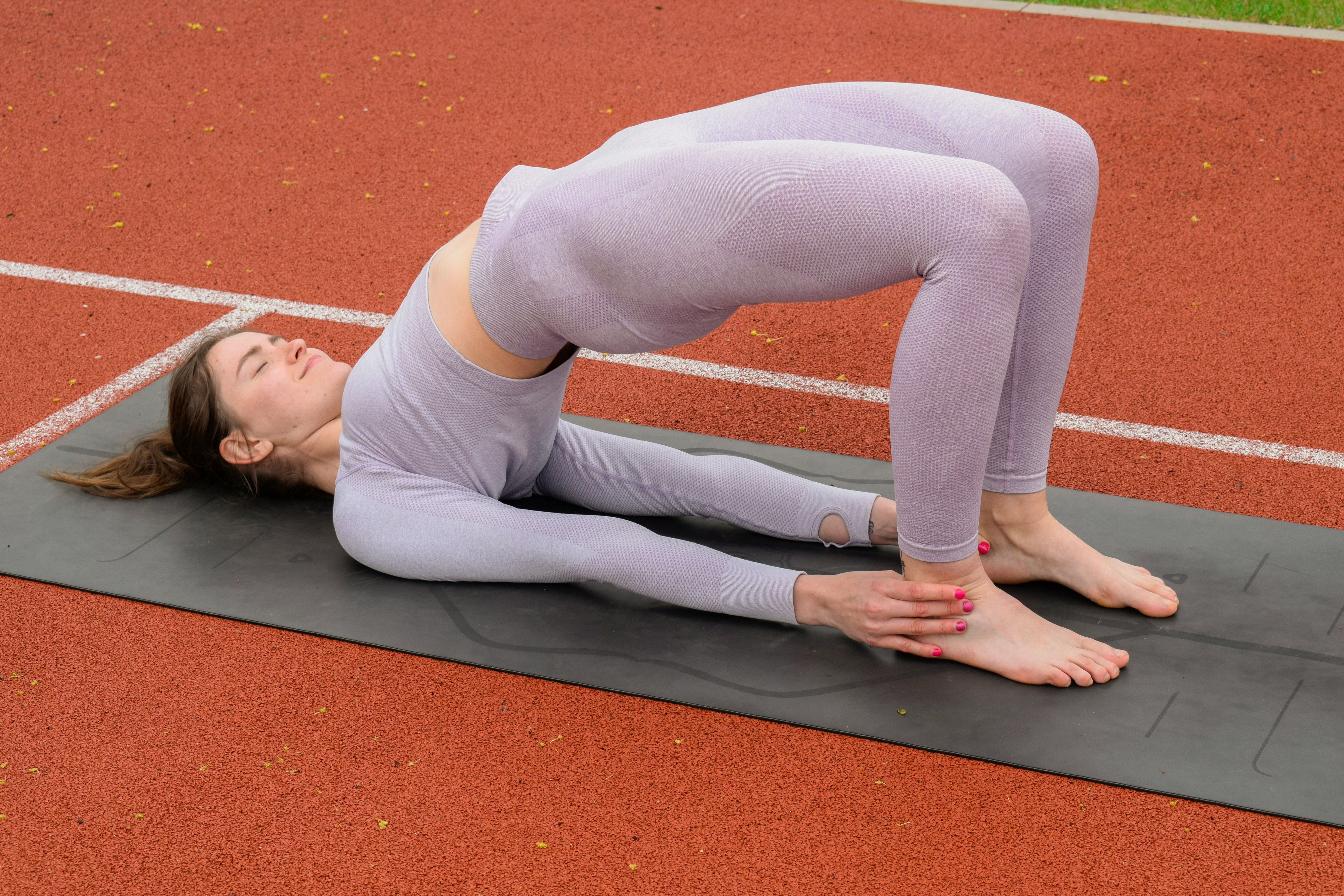
Static stretching earns its place after the action is over. Post workout, it’s your go to for easing tension and restoring muscle length. Think of it as the reset button holding each position gives your body the chance to settle, repair, and rebuild range of motion.
Over time, regular static stretching can actually increase flexibility. It’s not flashy, and it doesn’t spike your heart rate, but it matters. Especially if you’re stacking up workouts day after day, this helps your muscles recover with better form.
That said, don’t start your sessions with it. Static stretching right before training can blunt performance, slightly reducing strength and explosiveness. Save it for the cooldown, when your muscles are loose and your nervous system is winding down.
See: Proper stretching technique
Mixing Both for Better Results
Creating an effective stretching routine isn’t about choosing between static or dynamic it’s about knowing how and when to use both. When integrated thoughtfully, these two stretching styles support each other and enhance overall movement, performance, and recovery.
Why Combine Both?
Combines movement prep (dynamic) with muscle recovery (static)
Supports both short term readiness and long term flexibility
Promotes joint health, mobility, and injury prevention
Sample Routine: Warm Up to Cool Down
Before Your Workout: Dynamic Stretching Focus
Use movements that mimic the actions of your workout or sport. Aim to increase heart rate, engage muscles, and prepare the joints.
Arm circles or swings
Walking lunges with rotation
High knees or butt kicks
Leg swings (front to back and side to side)
Torso twists
After Your Workout: Static Stretching Focus
Hold each stretch for 20 30 seconds to release tension and support flexibility.
Hamstring stretch
Quadriceps stretch
Seated spinal twist
Shoulder or triceps stretch
Calf stretch on a step or curb
Always move slowly into each static stretch and avoid bouncing.
What the Experts Say
Trainers and physical therapists agree that:
Dynamic stretching is most effective as a pre workout activator.
Static stretching works best after physical activity to lengthen and relax muscles.
Alternating both creates balance keeping the body functional and resilient.
Overstretching or stretching cold muscles increases injury risk timing is crucial.
In short, stretching smarter isn’t about extremes it’s about sequence, purpose, and consistency.
Common Mistakes to Avoid
Stretching is simple, but it’s surprisingly easy to mess up especially when you’re rushing or following outdated advice. Here are four slip ups that can set you back.
First up: stretching cold muscles. It seems harmless, but diving into a deep hamstring stretch straight out of bed or before a warm up can lead to pulls, not progress. Get some blood flowing first light cardio or mobility drills will do the trick.
Then there’s the old habit of doing static stretches before explosive movements like sprinting or heavy lifts. It feels productive, but it can actually reduce power and performance. Save those long holds for after the action.
Another issue: rushing through range of motion exercises. Dynamic stretching only works if you stay controlled and intentional. Swinging limbs like a maniac won’t prep your body it’s just wasted motion.
Last but maybe most important: ignoring your body’s feedback. Discomfort is part of growth. Sharp pain isn’t. If something feels off, don’t push through it. Modify, scale back, or rest. Stretching isn’t about aggression it’s about awareness.
Final Tips to Stretch Smarter
Stretching isn’t something you save for leg day. If you want fewer injuries and better movement overall, make it a daily habit yes, even on rest days. Bodies stiffen up just living life, so whether it’s five minutes in the morning or a full cooldown after a run, consistency is key.
And when you stretch, make it count. Controlled movement matters more than how far you can force yourself. Pair each hold or flow with your breath. It keeps you grounded and prevents you from rushing through like you’re checking off a to do list.
Most importantly, know why you’re doing each stretch. Mobility? Recovery? Posture correction? Don’t just copy someone else’s moves build your routine around your own body needs and goals. Stretching without purpose is like training in the dark.
Bottom line: Stretching is insurance. Disregard it, and you’re gambling with your performance, recovery, and long term health. Respect the process now, and your body will thank you later.
 Lorvessa Veythanna is the kind of writer who genuinely cannot publish something without checking it twice. Maybe three times. They came to expert insights through years of hands-on work rather than theory, which means the things they writes about — Expert Insights, Exercise Tips and Techniques, Nutrition and Diet Plans, among other areas — are things they has actually tested, questioned, and revised opinions on more than once.
That shows in the work. Lorvessa's pieces tend to go a level deeper than most. Not in a way that becomes unreadable, but in a way that makes you realize you'd been missing something important. They has a habit of finding the detail that everybody else glosses over and making it the center of the story — which sounds simple, but takes a rare combination of curiosity and patience to pull off consistently. The writing never feels rushed. It feels like someone who sat with the subject long enough to actually understand it.
Outside of specific topics, what Lorvessa cares about most is whether the reader walks away with something useful. Not impressed. Not entertained. Useful. That's a harder bar to clear than it sounds, and they clears it more often than not — which is why readers tend to remember Lorvessa's articles long after they've forgotten the headline.
Lorvessa Veythanna is the kind of writer who genuinely cannot publish something without checking it twice. Maybe three times. They came to expert insights through years of hands-on work rather than theory, which means the things they writes about — Expert Insights, Exercise Tips and Techniques, Nutrition and Diet Plans, among other areas — are things they has actually tested, questioned, and revised opinions on more than once.
That shows in the work. Lorvessa's pieces tend to go a level deeper than most. Not in a way that becomes unreadable, but in a way that makes you realize you'd been missing something important. They has a habit of finding the detail that everybody else glosses over and making it the center of the story — which sounds simple, but takes a rare combination of curiosity and patience to pull off consistently. The writing never feels rushed. It feels like someone who sat with the subject long enough to actually understand it.
Outside of specific topics, what Lorvessa cares about most is whether the reader walks away with something useful. Not impressed. Not entertained. Useful. That's a harder bar to clear than it sounds, and they clears it more often than not — which is why readers tend to remember Lorvessa's articles long after they've forgotten the headline.