
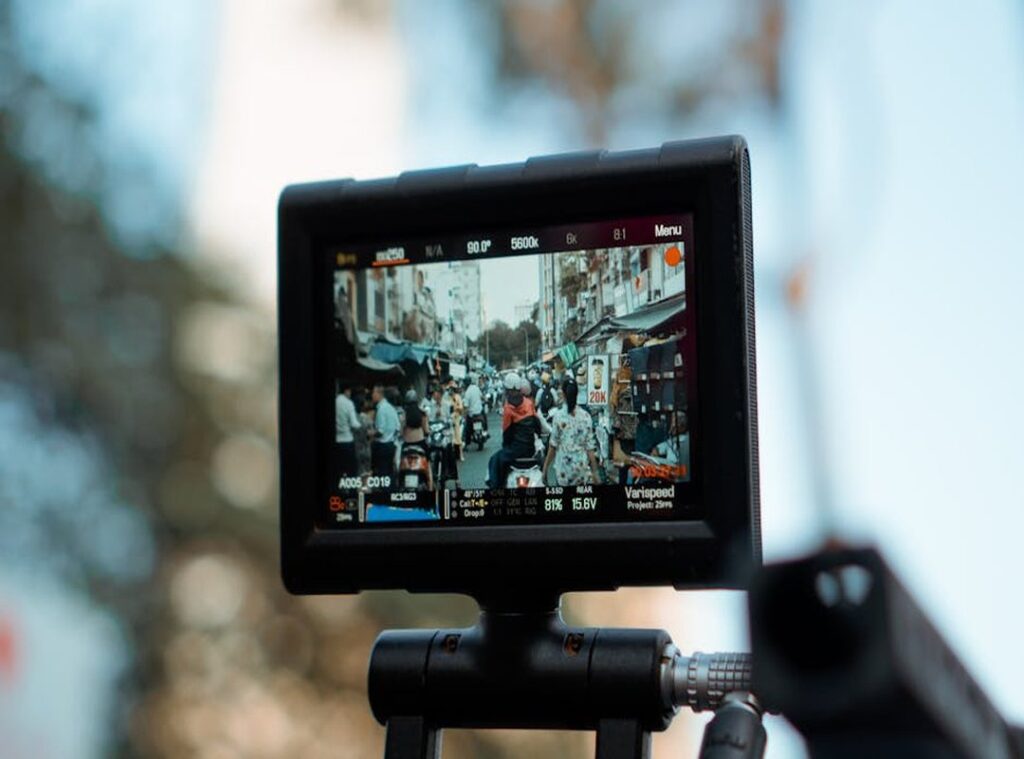
Live webcam streaming can be a powerful tool, but it’s also a minefield if you don’t know what you’re doing. I’ve seen too many people struggle with subpar tools and questionable security. You might be wondering, is it even worth the hassle?
Let’s get one thing straight: the right setup and knowledge can make all the difference. This article will help you understand and effectively use live webcam streaming for various purposes.
You need to know the best tools, techniques, and security measures. Otherwise, you risk a bad experience or worse, a breach of your privacy.
I’m here to cut through the noise and give you practical, actionable insights. No fluff, no nonsense, and just the real deal.
So, let’s dive in and get you up and running with onscreen cam4 and other top platforms.
Understanding Live Webcam Streaming
What is live webcam streaming? It’s broadcasting video content in real-time over the internet. Simple, right?
But it’s a big deal. People use it for everything from sharing their daily lives to professional events.
Why does it matter, and because it connects us instantly. No waiting for uploads or downloads.
Just hit go and you’re live.
Key Components
Let’s break it down. You need three main things: a camera, software, and a good internet connection.
- Camera: Your device’s built-in camera works, but a dedicated webcam can give you better quality.
- Software: There are plenty of options like OBS Studio, Streamlabs, or even onscreen cam4.
- Internet Connectivity: A stable, high-speed connection is crucial. Without it, your stream will be choppy and frustrating.
Use Cases
Live streaming isn’t just for one type of user. Here’s how different people use it:
- Personal Vlogging: Share your life with friends and followers.
- Gaming: Stream your gameplay and interact with viewers.
- Professional Broadcasting: News outlets and businesses use it for live updates.
- Remote Work: Conduct meetings and webinars in real-time.
Each use case has its own needs. For example, a vlogger might focus more on engaging with their audience, while a business might need higher security and reliability.
So, which one fits you, and think about what you want to achieve. If it’s about building a community, personal vlogging or gaming might be your best bet.
If it’s about professionalism, go for the high-end setup and reliable software.
Understanding these basics will help you make the right choices.
Choosing the Right Equipment
When it comes to webcams, you’ve got a few options. There are basic USB webcams, which are great for everyday use. They plug right into your computer and get the job done.
Then there are more advanced models with features like 1080p resolution and auto-focus. These are perfect if you need higher quality video, like for onscreen cam4 or professional meetings.
Good audio is crucial. A lousy microphone can ruin an otherwise great setup. For most people, a simple USB microphone will do.
It’s easy to set up and provides clear sound. If you’re into more serious stuff, like podcasting or streaming, consider a condenser microphone. They pick up more detail and make your voice sound crisp.
Lighting can make or break your video setup. Natural light is always the best, but not everyone has that luxury. Invest in a good ring light or a softbox.
These help reduce harsh shadows and give you a more even, professional look. Position the light in front of you, slightly above eye level, to avoid unflattering angles.
Remember, the right equipment can make a huge difference in how you present yourself. Whether you’re in a meeting or creating content, having the right tools means you can focus on what really matters—your message.
Selecting the Best Software and Platforms
When it comes to streaming, picking the right software is crucial. OBS Studio is a favorite for its open-source nature and extensive customization options. It’s free and powerful, but it has a steeper learning curve.
Streamlabs is another popular choice. It’s user-friendly and offers a lot of built-in features like themes and alerts. Perfect for beginners who want to get up and running quickly.
XSplit is great for those who need more advanced features. It’s not free, but it offers robust tools and a clean interface. If you’re serious about streaming, it might be worth the investment.
- OBS Studio: Free, highly customizable, but complex.
- Streamlabs: User-friendly, lots of built-in features, ideal for beginners.
- XSplit: Advanced features, clean interface, but comes at a cost.
Now, let’s talk platforms, and youTube is all about reach. It’s great for building a long-term audience and monetizing through ads.
Plus, your content stays up even when you’re offline.
Twitch is the go-to for live interaction. It’s perfect for gaming and real-time engagement with your viewers. The community is vibrant, and there are plenty of opportunities for donations and subscriptions.
Facebook Live is good for reaching a broader, more general audience. It’s easy to use and integrates well with your existing social media presence. However, it’s less focused on gaming and more on general content.
Integration Tips
To make your streaming experience seamless, choose software that integrates well with your platform. For example, Streamlabs works seamlessly with Twitch, making setup and management a breeze.
If you’re using OBS Studio, you might need to do a bit more configuration, but the flexibility is worth it. Just make sure to test everything before going live.
Lastly, don’t forget to check out onscreen cam4 for additional camera and screen sharing options. It can add a professional touch to your streams.
Remember, the key is to find what fits your style and needs. And hey, if you’re into fitness, avoid these 5 common fitness mistakes for better progress.
Setting Up Your Live Stream
Before you hit that “go live” button, make sure everything is in order. Trust me, a little prep goes a long way.
Pre-Stream Checklist:
- Check your internet connection. A stable and fast connection is key.
- Set up your camera and microphone. Make sure they’re working and positioned correctly.
- Arrange your background. Keep it clean and professional.
- Test your lighting. Good lighting makes a huge difference.
- Prepare your content. Have a clear idea of what you’ll be talking about.
Configuration Settings
Once you’ve got the basics down, dive into your streaming software.
- Resolution and frame rate. Start with 720p at 30fps. It’s a good balance between quality and performance.
- Bitrate. Set it to auto if possible. If not, aim for around 2500-4000 kbps.
- Audio settings. Use a high-quality mic and set the input levels to avoid distortion.
- Graphics and overlays. Add them if they enhance your stream, but don’t overdo it.
Testing
Testing is crucial, and don’t skip this step.
- Do a test stream. Use onscreen cam4 to see how you look and sound.
- Watch the playback. Note any issues like lag or audio problems.
- Fix any issues. Adjust your settings and test again if needed.
I can’t stress enough how important testing is. It’s better to catch and fix issues before your actual stream. And remember, even with all the prep, things can still go wrong.
That’s just part of the live streaming experience.
Best Practices for Live Streaming
Engagement is key. When you’re live, respond to comments and use interactive features. It makes your audience feel seen and heard.
(And let’s be real, who doesn’t like that?)
High-quality content keeps viewers coming back. Make sure your stream is clear and visually appealing. Put effort into the little things—good lighting, a clean background, and a stable internet connection.
Consistency builds trust, and stick to a regular streaming schedule. Your audience will know when to tune in, and they’ll start to look forward to it.
Onscreen cam4 can add a dynamic element to your stream. Use it to show different angles or to highlight specific parts of your content. It keeps things fresh and engaging.
By following these tips, you’ll not only grow your audience but also create a loyal community. That’s what it’s all about, right?
Mastering Live Webcam Streaming
Choosing the right equipment, software, and platforms is crucial for a smooth and professional live streaming experience. These elements form the foundation of your setup, ensuring that your stream is both high-quality and reliable.
Follow the best practices and tips provided to achieve success in your live streaming endeavors. This includes setting up your environment, testing your gear, and engaging with your audience effectively.
Start experimenting with live streaming today. Continuously refine your setup and content to keep improving. onscreen cam4 offers a great platform to test and enhance your skills.
 Donaldoth Wilsonian is the kind of writer who genuinely cannot publish something without checking it twice. Maybe three times. They came to fitness routines and advice through years of hands-on work rather than theory, which means the things they writes about — Fitness Routines and Advice, Mental Wellbeing Strategies, Expert Insights, among other areas — are things they has actually tested, questioned, and revised opinions on more than once.
That shows in the work. Donaldoth's pieces tend to go a level deeper than most. Not in a way that becomes unreadable, but in a way that makes you realize you'd been missing something important. They has a habit of finding the detail that everybody else glosses over and making it the center of the story — which sounds simple, but takes a rare combination of curiosity and patience to pull off consistently. The writing never feels rushed. It feels like someone who sat with the subject long enough to actually understand it.
Outside of specific topics, what Donaldoth cares about most is whether the reader walks away with something useful. Not impressed. Not entertained. Useful. That's a harder bar to clear than it sounds, and they clears it more often than not — which is why readers tend to remember Donaldoth's articles long after they've forgotten the headline.
Donaldoth Wilsonian is the kind of writer who genuinely cannot publish something without checking it twice. Maybe three times. They came to fitness routines and advice through years of hands-on work rather than theory, which means the things they writes about — Fitness Routines and Advice, Mental Wellbeing Strategies, Expert Insights, among other areas — are things they has actually tested, questioned, and revised opinions on more than once.
That shows in the work. Donaldoth's pieces tend to go a level deeper than most. Not in a way that becomes unreadable, but in a way that makes you realize you'd been missing something important. They has a habit of finding the detail that everybody else glosses over and making it the center of the story — which sounds simple, but takes a rare combination of curiosity and patience to pull off consistently. The writing never feels rushed. It feels like someone who sat with the subject long enough to actually understand it.
Outside of specific topics, what Donaldoth cares about most is whether the reader walks away with something useful. Not impressed. Not entertained. Useful. That's a harder bar to clear than it sounds, and they clears it more often than not — which is why readers tend to remember Donaldoth's articles long after they've forgotten the headline.