
I’ve spent years separating health facts from fiction, and I can tell you the noise has never been louder.
You’re bombarded with conflicting advice every day. One expert says do this, another says the opposite. Meanwhile, you just want to know what actually works.
Here’s the truth: most health information online isn’t backed by real science. It’s marketing dressed up as medicine.
That’s why I started SHMG Medicine. We cut through the confusion and give you what matters.
This article delivers the medical facts you can actually use. No trends. No miracle cures. Just evidence-based information about preventative health, nutrition, fitness, and mental wellness.
We work with medical experts who review every claim we make. We cite our sources. We don’t publish something unless the science supports it.
You’ll learn the foundational truths that can improve your health today. Not someday. Today.
No hype. No overselling. Just the facts you came here for.
Foundational Facts of Preventative Health
You’ve probably heard that prevention is better than cure.
But what does that actually mean when you’re standing in your kitchen at 6 AM deciding between coffee or water, sleep or scrolling?
Let me break down three facts that change how you think about your health. These aren’t tips or suggestions. They’re biological realities backed by research.
Fact #1: Lifestyle Choices Drive 80% of Chronic Disease Outcomes
Your genes matter. But they’re not your destiny.
Studies show that about 80% of heart disease and type 2 diabetes cases come down to what you do every day (not what your parents passed down to you). That means the choices you make at breakfast, during your commute, and before bed actually shape your long-term health more than your DNA does.
Some people argue this puts too much pressure on individuals. They say it ignores systemic issues like food deserts or work schedules that make healthy choices harder. And they’re right that those barriers are real.
But here’s what that argument misses. Knowing you have control doesn’t mean you’re to blame if things go wrong. It means you have options. Even small changes in what you eat, how you move, and how you manage stress can shift your odds.
Fact #2: Sleep is an Active Biological Maintenance Process
Sleep isn’t downtime. Your body is working.
While you’re out, your brain is literally taking out the trash. It clears metabolic waste that builds up during the day. It also consolidates memories and repairs cellular damage throughout your body.
The research is clear. You need 7 to 9 hours consistently. Not just on weekends. Not when you can fit it in.
This isn’t about feeling rested (though that’s nice). It’s about giving your body time to do essential maintenance work. Skip it regularly and you’re basically running your system without oil changes.
Fact #3: Hydration Directly Impacts Cognitive Function
Even mild dehydration messes with your brain.
We’re talking 1 to 2% fluid loss. That’s enough to impair your concentration, memory, and mood. You might not even feel thirsty yet, but your cognitive function is already taking a hit.
Water does more than quench thirst. It transports nutrients, regulates your body temperature, and keeps every system running smoothly. When you’re properly hydrated, you think clearer and feel better.
The medicine facts shmgmedicine covers aren’t complicated. But they’re often overlooked because they seem too simple.
Turns out, the basics work. You just have to actually do them.
The Science of Nutrition: Beyond the Headlines
Fact #4: Your Gut Microbiome Acts Like a Second Brain
The trillions of bacteria living in your gut do more than just digest food.
They produce neurotransmitters. Serotonin and dopamine, the same chemicals that regulate your mood and mental clarity, are made right there in your digestive system.
What does this mean for you? Feed your gut the right stuff and you might notice better focus and a more stable mood. A fiber-rich diet keeps these beneficial microbes happy and working for you. By incorporating principles of Shmgmedicine into your daily routine, you can enhance your gut health, leading to improved focus and a more stable mood as you tackle your favorite gaming challenges.
Think of it as tending a garden. The better you feed it, the better it performs.
Fact #5: Nutrient Timing Can Be as Important as Nutrient Type
You’ve probably heard that protein builds muscle and carbs give you energy.
But when you eat matters too.
Protein after a workout helps your muscles repair faster. Complex carbs before exercise give you sustained energy that doesn’t crash halfway through. Your body responds differently to the same food depending on when it arrives.
This isn’t about being obsessive. It’s about working with your body’s natural rhythms to get better results from the same foods.
Fact #6: Chronic Inflammation is a Root Cause of Disease
Most modern illnesses share a common thread. Low-grade chronic inflammation that simmers for years.
Diets high in processed foods, sugar, and unhealthy fats keep this inflammation going. Your body stays in a constant state of alert, which wears it down over time.
The good news? An anti-inflammatory diet rich in whole foods works like medicine facts Shmgmedicine. It’s one of the most powerful tools you have for preventing disease before it starts.
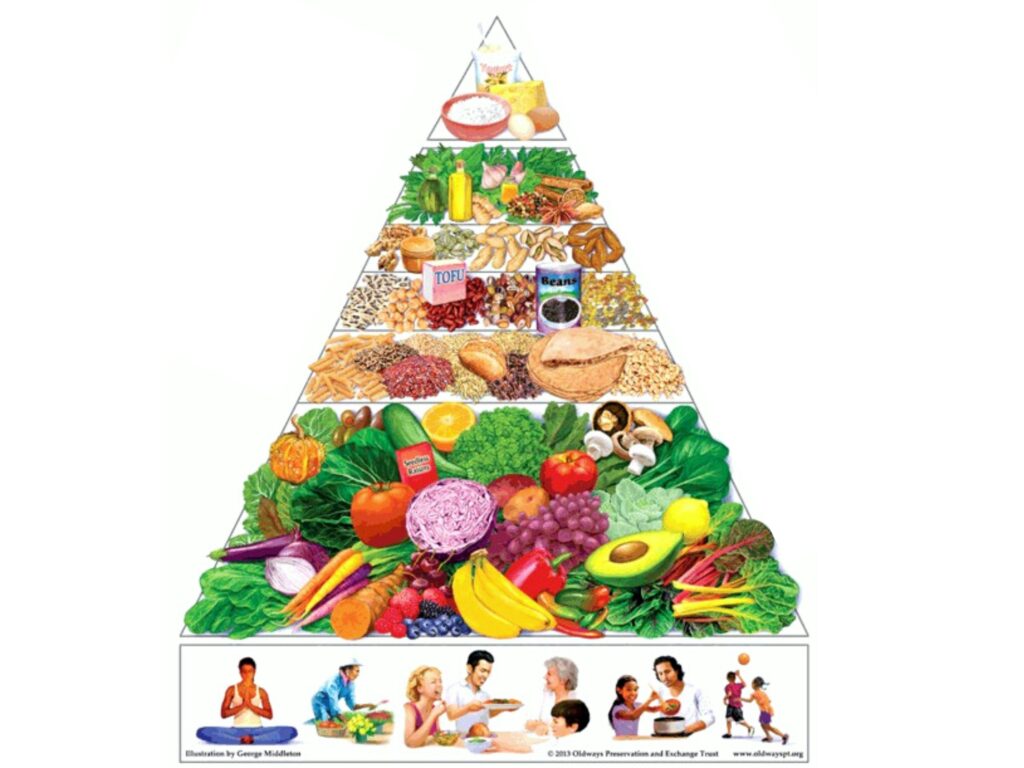
You don’t need a prescription. You just need to know what to put on your plate.
Movement as Medicine: Surprising Fitness Truths
Fact #7: Muscle is a Key Regulator of Metabolism
Here’s something most people get backwards.
They think cardio is the answer to weight management. Run more, burn more, lose more.
Wrong.
Your muscle tissue burns calories while you’re sitting on the couch. While you’re sleeping. While you’re doing absolutely nothing.
The science is clear on this. More muscle mass means a higher resting metabolic rate (that’s the calories you burn just existing). A 2015 study in the Journal of Applied Physiology found that muscle tissue burns roughly six calories per pound per day at rest.
That might not sound like much. But add ten pounds of muscle and you’re burning an extra 60 calories daily without changing anything else.
I’ll be honest with you. I used to skip strength training. Thought it was just for bodybuilders or people who wanted to look a certain way.
I was an idiot.
Strength training isn’t optional if you care about healthy aging. After 30, you lose 3 to 5 percent of your muscle mass per decade if you don’t actively work against it. That’s not just about looking good. That’s about your body’s ability to regulate blood sugar, maintain bone density, and stay independent as you age.
Fact #8: Consistency Over Intensity Yields Better Long-Term Results
You know what doesn’t work?
Going hard for three weeks, burning out, then doing nothing for two months.
I see this pattern everywhere. People think they need to punish themselves with brutal workouts to see results. They follow some influencer’s program that has them doing burpees until they want to cry.
Then they quit.
The medicine facts shmgmedicine show us something different. Regular, moderate exercise beats sporadic intensity every single time when we look at long-term outcomes.
A 2019 study in JAMA Internal Medicine tracked over 4,800 adults and found that consistency mattered more than workout intensity for reducing mortality risk. People who exercised moderately but regularly had better health markers than those who did intense workouts sporadically. In the realm of health and fitness, understanding “How Important Is Medicine Shmgmedicine” can provide valuable insights, especially when considering that a consistent, moderate exercise routine may be more beneficial than sporadic high-intensity workouts, as highlighted by a 2019 JAMA Internal Medicine study.
Your body adapts to what you do regularly. Not what you do once in a while when you’re feeling motivated.
The best fitness routine? The one you’ll actually do next week. And the week after that.
Fact #9: Sitting for Prolonged Periods Negatively Alters Blood Chemistry
This one pisses me off because I’m guilty of it.
I can work out in the morning and still wreck my metabolic health by sitting for eight straight hours.
Research from Diabetes Care journal found that prolonged sitting increases blood glucose and cholesterol levels. Even in people who exercise regularly (which feels deeply unfair).
But here’s the good news.
You don’t need to stand all day or buy an expensive treadmill desk. Short movement breaks every 30 to 60 minutes can reverse these effects. We’re talking two minutes of walking or simple movements.
Stand up. Walk to get water. Do a few squats while your coffee brews.
Your blood chemistry responds to these micro-movements. A 2018 study showed that breaking up sitting time with light activity every 30 minutes significantly reduced post-meal blood sugar spikes.
I set a timer now. Every hour, I move for at least two minutes. It’s not sexy or Instagram-worthy.
But it works.
The Biology of Mental Wellness
Your brain isn’t separate from your body.
I know that sounds obvious. But most people still think of mental health as something that happens up there while physical health happens everywhere else.
That’s not how it works.
Fact #10: Mental Health is Physical Health
When you’re stressed or depressed, your body responds in measurable ways. Cortisol levels spike. Blood pressure climbs. Your immune system weakens.
These aren’t vague feelings. They’re biological changes you can test in a lab.
Fact #11: Mindfulness Physically Changes Your Brain
Meditation isn’t just relaxation. Studies show it increases grey matter density in brain regions tied to learning and memory (the hippocampus, specifically). It also affects areas that regulate emotions.
You’re literally reshaping your brain structure.
Fact #12: Social Connection is a Biological Need
Loneliness kills. Research shows it impacts mortality as much as smoking 15 cigarettes a day.
Strong social bonds do the opposite. They help regulate stress hormones and build resilience against illness.
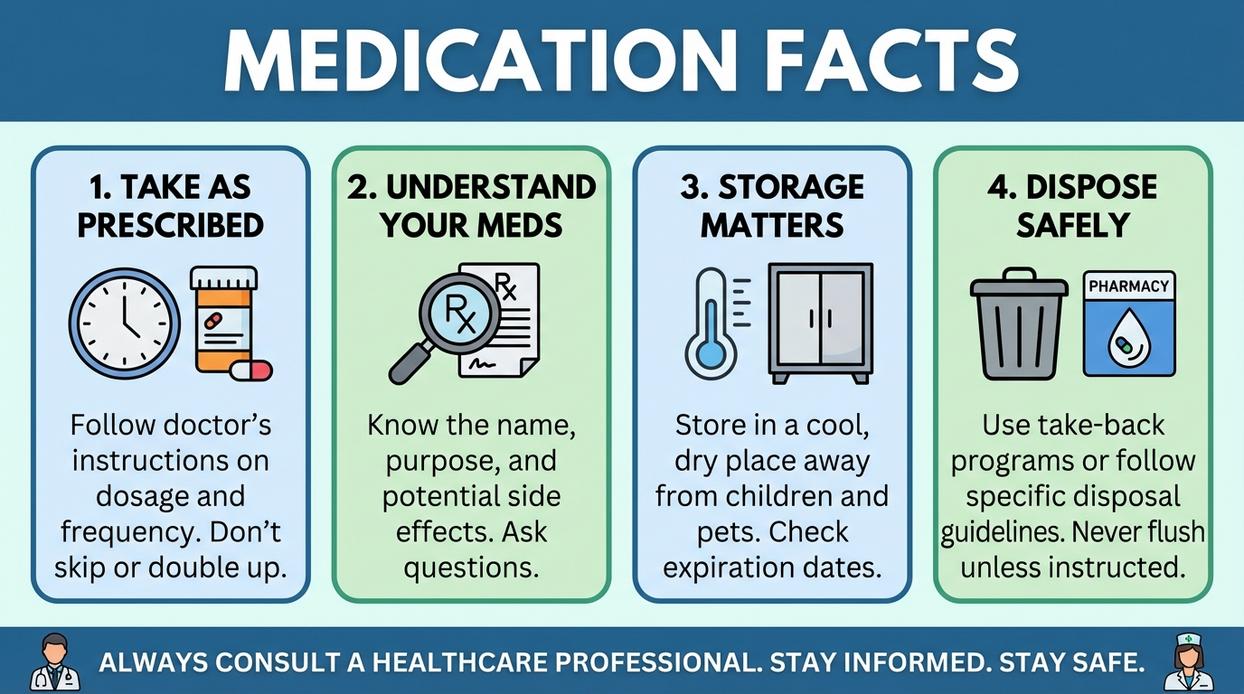
This is why how important is medicine shmgmedicine extends beyond treating symptoms. It’s about understanding that your mental state affects every system in your body. To truly grasp the holistic impact of mental well-being on physical health, consider integrating Medication Tips Shmgmedicine into your daily routine, as it emphasizes the importance of a comprehensive approach to treatment.
Your mind and body aren’t two separate things you need to fix. This is something I break down further in Medicine Guide Shmgmedicine.
They’re one system that needs care.
Empowering Your Health with Knowledge
You came here looking for clear answers about health. Not hype or trends that fade in six months.
I built SHMG Medicine to cut through the confusion. You deserve information backed by science, not marketing.
Navigating health advice feels overwhelming because everyone claims to have the answer. The truth is simpler than you think.
These facts work because they’re grounded in evidence. They’re not flashy but they create real change when you stick with them.
Here’s what I want you to do: Pick one fact from this list. Just one. Work it into your routine this week.
That’s how lasting health happens. Small changes based on solid information.
You don’t need to overhaul your entire life tomorrow. You need to start somewhere that makes sense.
SHMG Medicine exists to give you that foundation. The kind of knowledge you can build on for years.
Take what you learned here and use it. Your health is worth that first step. Medication Tips Shmgmedicine.
 Lorvessa Veythanna is the kind of writer who genuinely cannot publish something without checking it twice. Maybe three times. They came to expert insights through years of hands-on work rather than theory, which means the things they writes about — Expert Insights, Exercise Tips and Techniques, Nutrition and Diet Plans, among other areas — are things they has actually tested, questioned, and revised opinions on more than once.
That shows in the work. Lorvessa's pieces tend to go a level deeper than most. Not in a way that becomes unreadable, but in a way that makes you realize you'd been missing something important. They has a habit of finding the detail that everybody else glosses over and making it the center of the story — which sounds simple, but takes a rare combination of curiosity and patience to pull off consistently. The writing never feels rushed. It feels like someone who sat with the subject long enough to actually understand it.
Outside of specific topics, what Lorvessa cares about most is whether the reader walks away with something useful. Not impressed. Not entertained. Useful. That's a harder bar to clear than it sounds, and they clears it more often than not — which is why readers tend to remember Lorvessa's articles long after they've forgotten the headline.
Lorvessa Veythanna is the kind of writer who genuinely cannot publish something without checking it twice. Maybe three times. They came to expert insights through years of hands-on work rather than theory, which means the things they writes about — Expert Insights, Exercise Tips and Techniques, Nutrition and Diet Plans, among other areas — are things they has actually tested, questioned, and revised opinions on more than once.
That shows in the work. Lorvessa's pieces tend to go a level deeper than most. Not in a way that becomes unreadable, but in a way that makes you realize you'd been missing something important. They has a habit of finding the detail that everybody else glosses over and making it the center of the story — which sounds simple, but takes a rare combination of curiosity and patience to pull off consistently. The writing never feels rushed. It feels like someone who sat with the subject long enough to actually understand it.
Outside of specific topics, what Lorvessa cares about most is whether the reader walks away with something useful. Not impressed. Not entertained. Useful. That's a harder bar to clear than it sounds, and they clears it more often than not — which is why readers tend to remember Lorvessa's articles long after they've forgotten the headline.