

I see people make the same medication mistakes over time. And these mistakes can cost you more than money.
You’re here because you want to know if you’re taking your medications the right way. Maybe you’ve wondered if that pill works better with food or on an empty stomach. Or if it’s really a problem to skip a dose.
Here’s the truth: how you take your medication matters as much as which medication you take.
I’ve put together this guide to show you exactly how to manage your medications safely. No medical jargon. No confusing instructions.
At shmgmedicine, we translate complex medical research into practical steps you can actually use. We work with healthcare professionals and review clinical studies to make sure what we share is backed by science.
This article covers the basics of proper medication use. You’ll learn how to avoid dangerous interactions, what to do if you miss a dose, and how to talk to your doctor about concerns.
You’ll also find out which common practices (like cutting pills in half or mixing meds with certain foods) can actually be harmful.
By the end, you’ll know how to take control of your medications instead of feeling confused by them.
The First Step: Understanding Your Prescription Label
Your prescription label isn’t just a sticker on a bottle.
It’s the instruction manual for something you’re putting into your body. And honestly, most people barely glance at it.
I’ve seen this happen too many times. Someone picks up their medication, tosses it in their bag, and figures they’ll remember what the doctor said. Then three days later they’re googling whether they should take it with food or not.
Here’s my take. If you can’t explain what’s on your label, you shouldn’t take that first dose yet.
Decoding the Details
Look at the drug name first. You’ll usually see two names: the brand (like Lipitor) and the generic (atorvastatin). They’re the same drug. The generic just costs less.
The dosage strength tells you how much of the active ingredient is in each pill. 10mg, 50mg, 100mg. This matters because your doctor chose this specific amount for a reason.
Quantity is straightforward. It’s how many pills you got.
Following Instructions
“Take one tablet by mouth twice daily.”
Seems simple, right? But I need you to understand what twice daily actually means. It means every 12 hours. Not morning and afternoon. Not whenever you remember.
(Your body processes medication on a schedule, not based on your convenience.)
Some medications say “with food” or “on an empty stomach.” This isn’t a suggestion. Food can change how your body absorbs certain drugs. Miss this detail and the medication might not work at all.
Know Your Why
This is where most people mess up.
You need to know what condition each medication treats. Not just “my blood pressure” but what your target blood pressure should be. Not just “my diabetes” but what your A1C goal is.
Because how else will you know if it’s working?
I think this is the most overlooked part of medication advice Shmgmedicine provides. Understanding your target outcome changes everything about how you take your meds.
The Role of the Pharmacist
Your label is your starting point. Your pharmacist is your safety net.
Something unclear? Ask them. They went to school for this. They know drug interactions, side effects, and whether that weird instruction actually matters.
Don’t leave the counter confused.
Timing is Everything: How and When to Take Your Medication
You probably think timing your meds is simple.
Take them when you remember. Maybe with breakfast if you’re organized.
But here’s what most people don’t realize. When you take your medication can be just as important as taking it at all.
I see patients mess this up constantly. They wonder why their symptoms aren’t improving when the real issue is inconsistent timing throwing off their blood levels.
Creating a routine matters.
Your body works on patterns. When you take medication at the same time each day, you maintain steady levels in your bloodstream. That consistency translates to better symptom control and fewer side effects. Understanding the importance of consistency in medication, gamers can benefit from tools like Shmgmedicine to ensure they maintain stable levels of essential treatments, ultimately enhancing their focus and performance during play.
Research shows adherence improves by up to 30% when people stick to a schedule (Journal of Managed Care & Specialty Pharmacy, 2019).
Now let’s talk about food.
When your pharmacist says “take with food,” they mean with a meal or substantial snack. Not a single cracker. This prevents stomach upset and helps certain drugs absorb properly.
“On an empty stomach” means one hour before eating or two hours after. I know that’s annoying when you’re hungry, but some medications need an empty digestive tract to work right.
What if you miss a dose?
General rule: take it as soon as you remember. But if it’s almost time for your next dose, skip the missed one and continue your regular schedule.
Here’s where I’ll speculate a bit. I think we’ll see smart pill bottles become standard in the next five years. They’ll track your doses and send reminders before you forget. The technology exists now but adoption is slow.
Until then, you need a system that works for you.
And whatever you do, never double up to catch up.
Taking two doses at once can spike drug levels to dangerous ranges. That’s how overdoses happen even with prescription meds. For medication advice shmgmedicine professionals always stress this point because we’ve seen the consequences.
If you’re unsure about your specific drug, call your pharmacist. They can tell you exactly what to do for that particular medication.
Critical Safety: Avoiding Harmful Drug and Food Interactions
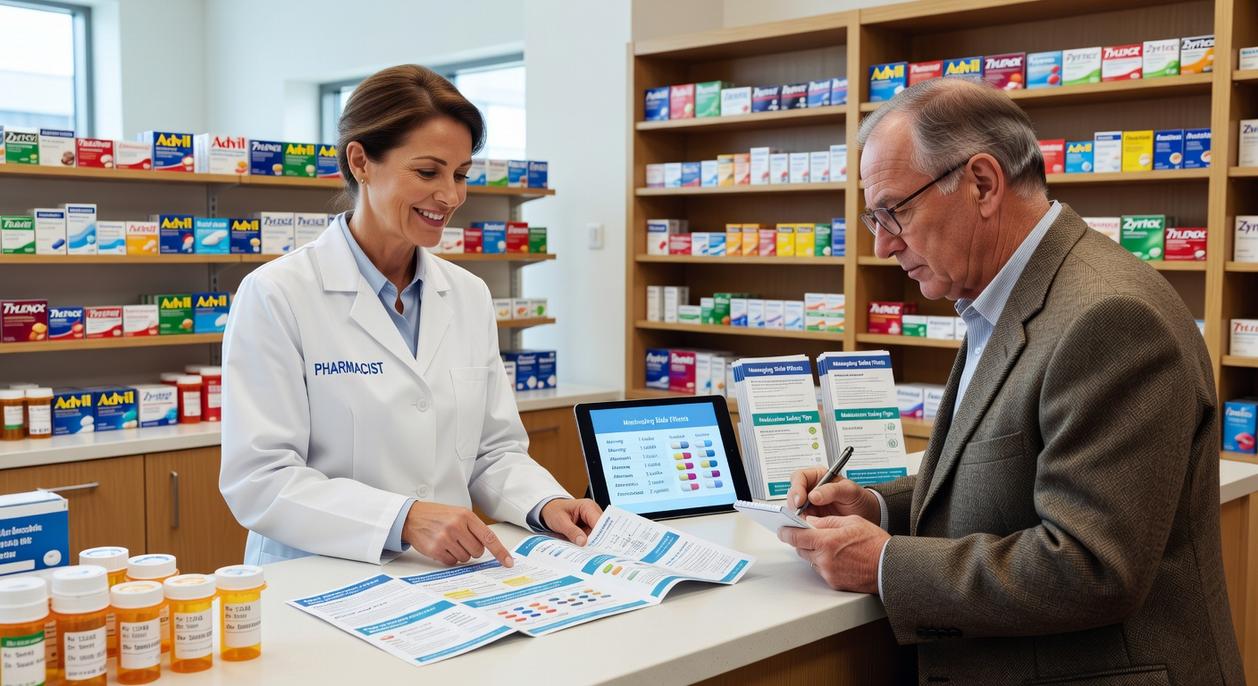
Your doctor prescribes something for your blood pressure. You take it with your morning vitamins and a glass of grapefruit juice.
What could go wrong?
A lot, actually.
Here’s what most people don’t realize. That innocent combination could send drug levels in your blood dangerously high or make your medication completely useless.
Some doctors say you shouldn’t worry too much about interactions. They argue that pharmacists catch the big ones and that most combinations are fine.
But the data tells a different story.
A 2018 study in JAMA Internal Medicine found that over 15 million Americans take drug combinations that can cause serious interactions (Guthrie et al., 2018). That’s not a small number.
The prescription and OTC problem is real. You might think that over-the-counter pain relievers are harmless. But taking ibuprofen with blood thinners like warfarin? That increases your bleeding risk by up to 13 times according to research from the British Journal of Clinical Pharmacology.
Cold medicines with pseudoephedrine can spike blood pressure when mixed with certain antidepressants. Allergy pills can make you dangerously drowsy when combined with anxiety medications.
Most people never mention their OTC drugs to their doctor. Big mistake.
Then there’s the supplement trap.
Natural doesn’t mean safe. St. John’s Wort might help your mood, but it makes birth control pills less effective. It also speeds up how your body processes dozens of medications, from heart drugs to cancer treatments.
Ginkgo biloba thins your blood. Combine it with aspirin or warfarin and you’re asking for trouble. A case report in the Journal of Neurology documented a patient who developed bleeding in the brain from this exact combination.
Food and drink interactions happen every day. Grapefruit juice is probably the most studied example. It blocks an enzyme in your gut that normally breaks down medications. The result? Drug levels can spike to toxic amounts.
This affects over 85 medications including statins, blood pressure drugs, and anxiety medications (Bailey et al., 2013). One glass can affect you for up to 24 hours.
Dairy products bind to antibiotics like tetracycline and ciprofloxacin. Your body absorbs less of the drug, which means the infection might not clear up. You need to space these out by at least two hours.
Alcohol amplifies drowsiness from antihistamines, pain medications, and sleep aids. It also increases stomach bleeding risk when you take NSAIDs. The National Institute on Alcohol Abuse and Alcoholism lists over 150 medications that interact with alcohol.
Here’s what you need to do.
Keep a master list. Write down every single thing you take. Prescriptions, over-the-counter drugs, vitamins, supplements, herbal remedies. Everything.
Update it whenever something changes.
Bring it to every doctor visit, every specialist appointment, every pharmacy trip. Show it to your dentist before procedures. Your surgeon before operations.
I can’t stress this enough. Your cardiologist might not know what your psychiatrist prescribed. Your primary care doctor might not know about the supplements you bought online.
You’re the only person who sees the complete picture.
One patient I know about took a magnesium supplement for leg cramps. Seemed harmless. But it reduced the absorption of her thyroid medication by 30%. Her thyroid levels went haywire for months before anyone figured out why. In the realm of health and gaming, it’s crucial to heed Medication Tips Shmgmedicine, as even seemingly innocuous supplements can unexpectedly interfere with vital prescriptions, leading to significant consequences for your well-being.
The fix was simple once they knew. Take them four hours apart.
That’s the thing about interactions. They’re often preventable if you just know to look for them.
Check with your pharmacist before starting anything new. They have software that screens for interactions, but only if they know what you’re taking. Understanding how medicine is made shmgmedicine can also help you grasp why certain combinations cause problems.
When in doubt, ask. It takes two minutes and could save your life.
The best medication advice shmgmedicine can offer? Treat every substance you put in your body as a potential interaction risk until proven otherwise.
Because that morning routine with your pills, supplements, and grapefruit juice? It might be doing more harm than good.
Safe Storage and Responsible Disposal
Your bathroom cabinet is probably the worst place to keep your medication.
I know that sounds weird. We’ve all done it. But the heat and humidity from your shower actually breaks down the active ingredients in most drugs. That means your pills lose potency faster than they should.
THE RIGHT SPOT FOR YOUR MEDS
You need somewhere cool and dry. A bedroom drawer works. A kitchen cabinet away from the stove is fine too. Just make sure kids and pets can’t reach it.
Dark matters too. Light degrades certain medications over time.
Some people say it doesn’t make that much difference where you store pills. They figure as long as the bottle is closed, you’re good.
But here’s what they’re missing. Studies show improper storage can reduce medication effectiveness by up to 50% in some cases. That’s not a small margin.
WHEN IT’S TIME TO TOSS THEM
Don’t flush old pills down the toilet. That water ends up in rivers and lakes where fish and wildlife absorb those chemicals.
Don’t throw them in the trash either. Kids have found discarded medications in garbage bins. It happens more than you’d think.
Your best option? Community drug take-back programs. Most pharmacies run them. You drop off expired or unused meds and they handle proper disposal.
The FDA also lists specific medications you CAN flush (but only certain ones). Check their guidelines before you do anything.
For more medication advice shmgmedicine has resources on safe handling practices that most people overlook.
Recognizing and Reporting Side Effects
You take your medication and feel a little off.
Maybe your stomach’s queasy. Or you notice a weird taste in your mouth.
Now you’re wondering if this is normal or if something’s wrong.
Here’s what most people don’t realize. Not every side effect means you need to panic. But some absolutely require immediate action.
When to Call Your Doctor Right Now
If you can’t breathe properly, break out in hives, or notice swelling in your face or throat, stop reading and get help. Those aren’t side effects you wait out.
But mild nausea? A slight headache during the first few days? That’s often your body adjusting.
The tricky part is knowing the difference.
I’ve seen people rush to the ER for temporary queasiness. I’ve also seen people ignore serious warning signs because they thought they’d just tough it out. Neither approach works.
Whatever you do, don’t just stop taking your medication because you feel weird. I know it seems logical. Something makes you feel bad, so you stop doing it.
But suddenly quitting certain medications can actually be dangerous. Your doctor needs to know what’s happening so they can adjust your dose or switch you to something else safely.
When you talk to your healthcare team, be specific. “I feel bad” doesn’t give them much to work with. Tell them what it feels like, when it started, and how often it happens. That’s the kind of detail that helps them help you.
Think of reporting side effects as part of your job in staying healthy. It’s not complaining. It’s giving your doctor the information they need to fine tune your treatment. Understanding the intricacies of patient feedback is crucial, as it directly influences “How Medicine Is Made Shmgmedicine,” ultimately empowering you to play an active role in your health journey.
For more guidance on managing your prescriptions safely, check out these medication tips shmgmedicine offers.
Your body’s feedback matters. Pay attention to it.
Empowered Health: Your Path to Medication Safety
I know how overwhelming medication management can feel.
You’re juggling bottles with tiny print. Trying to remember what to take when. Wondering if that supplement will mess with your prescription.
The risks are real. But here’s what I’ve learned: they’re also manageable.
You came here to figure out how to handle your medications safely. Now you have that roadmap.
Understanding your labels matters. So does sticking to your schedule and watching for interactions. And talking openly with your healthcare team? That’s where real safety begins.
These aren’t just good habits. They’re how you take control of your health.
Here’s what you should do right now: Pull out your medications and review them using what you’ve learned. Check the labels. Look at your schedule. Write down any questions that come up.
Then call your pharmacist or doctor. They want to help you get this right.
For personalized medication guidance and wellness strategies, visit shmgmedicine where we break down complex health topics into actions you can take today.
Your health is too important to leave to chance. You have the knowledge now. Use it.
 Lorvessa Veythanna is the kind of writer who genuinely cannot publish something without checking it twice. Maybe three times. They came to expert insights through years of hands-on work rather than theory, which means the things they writes about — Expert Insights, Exercise Tips and Techniques, Nutrition and Diet Plans, among other areas — are things they has actually tested, questioned, and revised opinions on more than once.
That shows in the work. Lorvessa's pieces tend to go a level deeper than most. Not in a way that becomes unreadable, but in a way that makes you realize you'd been missing something important. They has a habit of finding the detail that everybody else glosses over and making it the center of the story — which sounds simple, but takes a rare combination of curiosity and patience to pull off consistently. The writing never feels rushed. It feels like someone who sat with the subject long enough to actually understand it.
Outside of specific topics, what Lorvessa cares about most is whether the reader walks away with something useful. Not impressed. Not entertained. Useful. That's a harder bar to clear than it sounds, and they clears it more often than not — which is why readers tend to remember Lorvessa's articles long after they've forgotten the headline.
Lorvessa Veythanna is the kind of writer who genuinely cannot publish something without checking it twice. Maybe three times. They came to expert insights through years of hands-on work rather than theory, which means the things they writes about — Expert Insights, Exercise Tips and Techniques, Nutrition and Diet Plans, among other areas — are things they has actually tested, questioned, and revised opinions on more than once.
That shows in the work. Lorvessa's pieces tend to go a level deeper than most. Not in a way that becomes unreadable, but in a way that makes you realize you'd been missing something important. They has a habit of finding the detail that everybody else glosses over and making it the center of the story — which sounds simple, but takes a rare combination of curiosity and patience to pull off consistently. The writing never feels rushed. It feels like someone who sat with the subject long enough to actually understand it.
Outside of specific topics, what Lorvessa cares about most is whether the reader walks away with something useful. Not impressed. Not entertained. Useful. That's a harder bar to clear than it sounds, and they clears it more often than not — which is why readers tend to remember Lorvessa's articles long after they've forgotten the headline.