
I’ve spent years studying how people think about medicine and I keep seeing the same mistake.
You probably think medicine is just something you take when you’re sick. A backup plan. Something to reach for when everything else fails.
That’s only part of the story.
How important is medicine shmgmedicine? It’s more than pills and prescriptions. It’s a tool that helps you understand what’s happening in your body before symptoms even show up.
Most people miss this. They wait until something breaks before they pay attention.
I’ve analyzed how medicine fits into the bigger picture of health. Not just treatment but prevention. Not just fixing problems but catching them early when they’re easier to handle.
This article shows you what medicine actually does in your health journey. I’ll walk you through diagnosis, prevention, and how it affects your quality of life in ways you might not expect.
We use evidence-based research and integrate it with modern wellness approaches. That means you’re getting the full picture, not just one narrow view.
You’ll learn how to think about medicine differently. How to use it as part of a complete health strategy instead of just an emergency response.
No overselling. Just what medicine can and can’t do for you.
The Cornerstone of Care: Medicine in Diagnosis and Treatment
I’ll never forget the morning my dad called me from the ER.
He’d been feeling off for weeks. Tired. Short of breath. But he kept brushing it off as getting older.
Then came the chest pain.
The doctors ran a stress test within an hour. They injected a contrast agent and watched his heart on the screen. What they saw probably saved his life. Three blocked arteries that would’ve killed him within days.
That’s when I really understood how important is medicine shmgmedicine in catching what we can’t see.
Identifying the Unseen
Most diseases don’t announce themselves. They hide.
Diagnostic medicine pulls them into the light. Contrast agents make tumors visible on MRIs. Stress tests reveal heart problems before they become fatal. Blood markers catch diabetes years before symptoms show up.
Without these tools, doctors are guessing. With them, they know exactly what they’re dealing with.
Combating Acute Illness
Some health problems need fixing RIGHT NOW.
I’m talking about bacterial infections that spread through your bloodstream. Viral attacks that shut down your respiratory system. Heart attacks. Anaphylactic shock.
Antibiotics stop infections that would’ve killed you a century ago. Antivirals keep viruses from replicating out of control. Emergency medications like epinephrine or nitroglycerin buy you time when seconds matter.
These aren’t lifestyle changes or wellness tips. They’re the difference between walking out of the hospital or not walking out at all.
From Chronic to Controlled
Here’s what changed for my dad after that ER visit.
He started taking medication for his blood pressure and cholesterol. Within months, his numbers dropped to normal ranges. The blocked arteries? They cleared them with a procedure, but the medicine keeps new blockages from forming.
He’s not cured. But he’s controlled.
That’s what Shmgmedicine does for millions of people with chronic conditions. Type 2 diabetes doesn’t go away, but insulin and metformin keep blood sugar stable. Hypertension stays managed with ACE inhibitors. Autoimmune diseases get quieted with immunosuppressants. In an age where gaming often intersects with health management, understanding how Shmgmedicine plays a crucial role in stabilizing chronic conditions can empower players to navigate their virtual worlds without the burden of their real-life ailments.
You go from a ticking time bomb to someone living a normal life. You avoid strokes, kidney failure, blindness, and amputations.
The disease is still there. But it’s not running the show anymore.
A Proactive Shield: The Power of Medicine in Disease Prevention
You probably don’t think about vaccines when you’re healthy.
Most of us don’t. We get our shots and move on with our day.
But here’s what I want you to consider. The medicine you take before you get sick might be the most important medicine you’ll ever use.
Some people argue that preventative medicine is overblown. They say we’re medicating healthy people for problems they might never have. That we’re creating patients out of perfectly fine individuals.
I hear that argument a lot.
And sure, there’s a conversation to be worth having about overmedicalization. But dismissing prevention entirely? That ignores some pretty solid science.
The Vaccine Story We Don’t Talk About Enough
Let me give you a real example. In 1952, polio paralyzed over 21,000 Americans (CDC, 2023). Kids couldn’t walk. Parents were terrified.
Then came the vaccine.
By 1979, polio was gone from the United States. Not reduced. Gone.
That’s not luck. That’s how important is medicine shmgmedicine when we use it the right way.
Vaccines work because they train your immune system before you face the actual threat. Measles, mumps, rubella. These used to kill thousands of kids every year. Now most doctors have never even seen a case.
Pro tip: If you’re traveling internationally, check which vaccines you need at least six weeks before your trip. Some require multiple doses.
Stopping Heart Disease Before It Starts
Here’s where it gets interesting for adults.
Your doctor runs bloodwork and finds your cholesterol is high. You feel fine. No chest pain. No symptoms at all.
Do you take a statin?
This is where preventative medicine gets personal. Statins lower your LDL cholesterol and reduce your risk of heart attack by about 25% over ten years (Lancet, 2010). That’s significant when heart disease kills more Americans than anything else.
Same logic applies to daily aspirin for certain high-risk people. You’re not treating a disease. You’re preventing one.
When Prevention Becomes Practical
Let’s talk about scenarios you might actually face. I walk through this step by step in What Medicine for Cancer Shmgmedicine.
You’re heading to Southeast Asia for two weeks. Your doctor prescribes anti-malarial medication. You take it before you go, while you’re there, and after you get back. You never get malaria because the medicine facts shmgmedicine supports show prophylactic treatment works.
Or consider post-exposure prophylaxis. Someone with HIV accidentally sticks themselves with a needle at work. They start medication within hours. The medicine prevents HIV transmission in over 99% of cases when taken correctly.
That’s not treatment. That’s prevention in action.
The whole point is simple. We’ve moved from just treating sick people to keeping healthy people healthy. And the data shows it works better than waiting until something goes wrong.
Beyond Survival: How Medicine Enhances Quality of Life
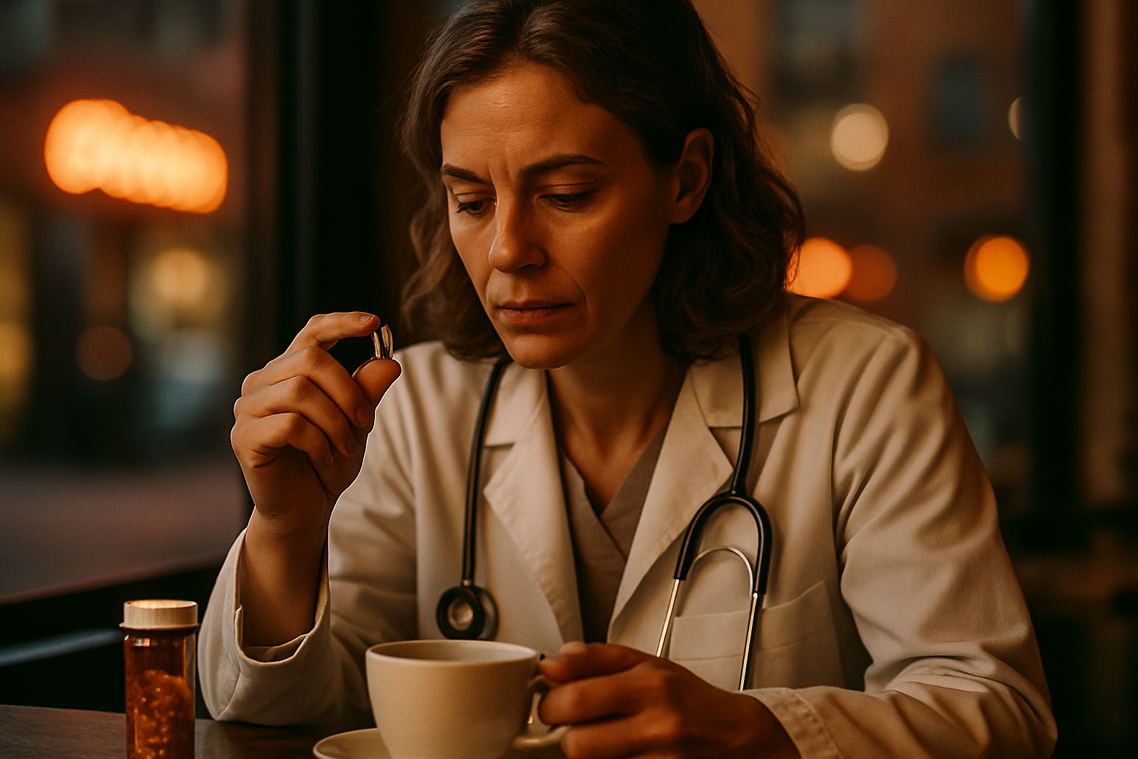
Most people think of medicine as something you take when you’re sick.
You get an infection, you take antibiotics. You break a bone, you get pain meds until it heals.
But that’s only half the story.
Some critics argue that we’re over-medicated as a society. They say we pop pills for every little discomfort instead of addressing root causes. And honestly, they have a point. We do sometimes reach for medication when lifestyle changes might work better. As we navigate the complexities of modern life, it’s crucial to reflect on whether our reliance on quick fixes, such as asking “Which Medicine Makes You Drowsy Shmgmedicine,” detracts from addressing the underlying issues that contribute to our discomfort.
Here’s where I disagree with that thinking.
For millions of people, medicine isn’t about avoiding discomfort. It’s about having a life at all.
Managing Pain and Restoring Function
I’ve talked to people who couldn’t get out of bed before finding the right pain management approach. Chronic pain isn’t like a headache that goes away after a few hours.
It’s relentless.
Over-the-counter relievers work for some. Others need specialized prescriptions that target specific pain pathways. The goal isn’t to feel nothing (that’s actually dangerous). It’s to bring pain down to a level where you can work, see friends, and do normal things.
Research shows that untreated chronic pain changes your brain structure over time.[1] It’s not just about toughing it out.
When someone asks which medicine makes you drowsy shmgmedicine, they’re usually trying to balance pain relief with staying functional. That’s the real challenge.
Supporting Mental and Emotional Well-being
Now let’s talk about psychiatric medications.
Some people still think depression or anxiety means you’re weak. That you should just think positive or try harder.
That’s not how brain chemistry works.
Psychiatric medications don’t make you happy. They restore chemical balance so therapy can actually work. So you can get out of bed. So you can think clearly enough to make changes in your life.
I’m not saying medication alone fixes everything. It doesn’t. But for conditions like bipolar disorder or severe depression, it can mean the difference between functioning and not.
Studies confirm that combining medication with therapy produces better outcomes than either approach alone.[2]
Alleviating Symptoms
Then there are the everyday medications people overlook.
Allergy medicine. Asthma inhalers. Digestive aids.
These don’t cure disease. But they let you breathe without wheezing during a presentation. They let you eat dinner with friends without worrying about what comes next. They let you go outside in spring without feeling miserable.
That matters more than people realize.
Understanding how important is medicine shmgmedicine becomes clear when you see someone finally able to participate in life again. Not just survive it.
Because that’s what we’re really talking about here. Medicine that gives you your life back. I go into much more detail on this in How Medicine Affects the Body Shmgmedicine.
The Integrated Approach: Medicine as Part of a Wellness Ecosystem
Medicine works better when it’s not working alone.
I see this every day. Someone starts blood pressure medication but keeps eating high-sodium foods. The pills do their job, but only halfway. Then they switch to a low-sodium diet and suddenly their numbers drop even further.
A 2019 study in the Journal of the American Heart Association found that patients who combined antihypertensive medication with dietary changes saw their systolic blood pressure drop an ADDITIONAL 8-11 mmHg compared to medication alone (that’s the difference between controlled and uncontrolled hypertension).
Here’s what most people don’t realize.
Your medication is designed to work WITH your body, not replace healthy habits entirely.
Take asthma inhalers. They open your airways so you can breathe. But regular exercise actually strengthens your respiratory system over time. Research from the European Respiratory Journal shows that people with asthma who exercise regularly need 30% less rescue medication than those who don’t.
The same goes for pain management.
Physical therapy combined with pain medication beats medication alone every single time. A 2020 study tracking 5,000 chronic pain patients found that those who did PT alongside their prescriptions reduced their medication use by 40% within six months.
So how important is medicine shmgmedicine? It’s ONE critical piece.
Not the whole picture.
Medicine gives you the foundation. But sleep, stress management, nutrition, and movement? Those amplify what your medication can do.
Think of it this way. Your prescription handles the immediate problem. Everything else you do determines how well that solution actually sticks. Just as your prescription addresses the immediate issue, embracing holistic approaches and understanding key Medicine Facts Shmgmedicine can significantly enhance the effectiveness of your treatment over time.
Medicine as a Partner in Your Lifelong Health
We’ve covered a lot of ground here.
Medicine does more than treat illness. It helps us diagnose problems early, prevent disease before it starts, and maintain quality of life as we age.
But here’s the thing: viewing medicine in isolation misses its true potential.
The best healthcare happens when medical treatments work alongside your daily choices. What you eat matters. How you move your body matters. Your mental health matters.
These pieces fit together.
I’ve seen people transform their health when they stop thinking of medicine as separate from everything else they do. It becomes part of a bigger picture that includes nutrition, fitness, and taking care of your mind.
You came here to understand how important is medicine shmgmedicine. Now you know it’s not just about pills or procedures.
Here’s what to do next: Talk to your healthcare provider. Ask them to help you build a wellness plan that brings medicine and healthy habits together. Be specific about your goals.
You deserve healthcare that works for your whole life, not just the sick days.
Start that conversation today.
 Lorvessa Veythanna is the kind of writer who genuinely cannot publish something without checking it twice. Maybe three times. They came to expert insights through years of hands-on work rather than theory, which means the things they writes about — Expert Insights, Exercise Tips and Techniques, Nutrition and Diet Plans, among other areas — are things they has actually tested, questioned, and revised opinions on more than once.
That shows in the work. Lorvessa's pieces tend to go a level deeper than most. Not in a way that becomes unreadable, but in a way that makes you realize you'd been missing something important. They has a habit of finding the detail that everybody else glosses over and making it the center of the story — which sounds simple, but takes a rare combination of curiosity and patience to pull off consistently. The writing never feels rushed. It feels like someone who sat with the subject long enough to actually understand it.
Outside of specific topics, what Lorvessa cares about most is whether the reader walks away with something useful. Not impressed. Not entertained. Useful. That's a harder bar to clear than it sounds, and they clears it more often than not — which is why readers tend to remember Lorvessa's articles long after they've forgotten the headline.
Lorvessa Veythanna is the kind of writer who genuinely cannot publish something without checking it twice. Maybe three times. They came to expert insights through years of hands-on work rather than theory, which means the things they writes about — Expert Insights, Exercise Tips and Techniques, Nutrition and Diet Plans, among other areas — are things they has actually tested, questioned, and revised opinions on more than once.
That shows in the work. Lorvessa's pieces tend to go a level deeper than most. Not in a way that becomes unreadable, but in a way that makes you realize you'd been missing something important. They has a habit of finding the detail that everybody else glosses over and making it the center of the story — which sounds simple, but takes a rare combination of curiosity and patience to pull off consistently. The writing never feels rushed. It feels like someone who sat with the subject long enough to actually understand it.
Outside of specific topics, what Lorvessa cares about most is whether the reader walks away with something useful. Not impressed. Not entertained. Useful. That's a harder bar to clear than it sounds, and they clears it more often than not — which is why readers tend to remember Lorvessa's articles long after they've forgotten the headline.