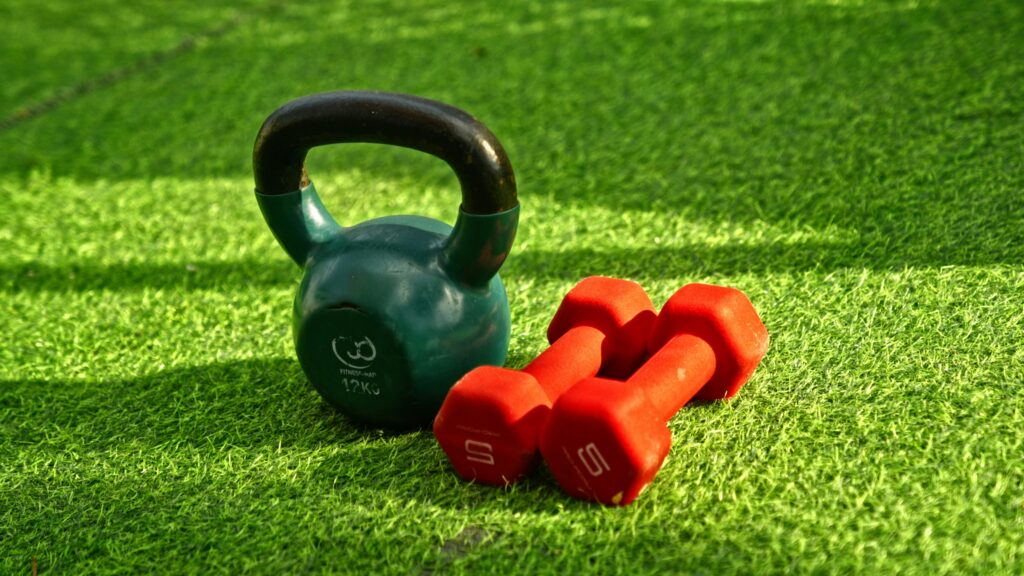

Skipping Warm Ups and Cooldowns
Charging into heavy training cold might feel like maximizing time but it’s a fast track to injury and burnout. When your muscles aren’t primed, your joints aren’t ready, and your heart rate isn’t elevated, you’re more likely to strain, pull, or tear something before you even hit your stride. Skipping warm ups stalls progress long term.
You don’t need to reinvent your routine. A few simple moves like bodyweight squats, arm circles, leg swings, and jump rope can prep your system in under 5 minutes. For lifting, dynamic stretches that mimic your workout patterns (think light deadlifts, air presses) help bridge the gap between idle and active.
Cooldowns matter just as much. They bring your heart rate down, increase circulation to speed recovery, and reduce muscle soreness tomorrow. A light walk, some deep breathing, and static stretches go a long way. It’s not just about avoiding pain it’s about showing up strong next time.
Ignore this step, and you’re not training smart. You’re gambling.
Poor Form Over Heavy Weights
Chasing big numbers in the gym is a common trap. But throwing more plates on the bar doesn’t mean you’re getting stronger especially if your form falls apart. Sloppy reps do more harm than good. When form breaks down, all you’re training is your risk of injury.
Bad form strains joints, tendons, and muscles in ways they’re not built to handle. Knees cave in during squats. Backs round on deadlifts. Shoulders take the brunt during presses. It just takes one poorly executed rep to knock you off course for weeks or worse. And if injury doesn’t get you, stalled progress probably will. Muscles respond best to controlled, targeted tension. Without that, you’re just moving weight, not building strength.
So what’s the fix? Go lighter than your ego wants you to. Nail the lift with full range of motion. Activate the right muscles. Use a mirror, film yourself, or train with a coach to catch mistakes early. Control matters more than load. Strength built on solid mechanics? That’s progress that lasts.
Inconsistent Training Schedules

You can’t see results by showing up half the time. Training once a week or only when you feel like it won’t lead to real change. The body works best under consistent stress and recovery. Miss too many sessions, and you’re always starting from square one. Momentum matters.
A structured routine doesn’t just build muscle. It sharpens discipline, reinforces habits, and makes long term progress possible. Even three well planned sessions a week can move the needle if you commit to them. Stamina, strength, and confidence all thrive in structure.
If consistency is your struggle, start with tools made to keep you on track: basic calendar reminders, habit tracking apps, or even a simple printed plan on your fridge. There’s no perfect system just the one you’ll actually use. Plan your workouts like appointments. Show up for yourself. Results follow.
Ignoring Recovery and Sleep
Pushing harder isn’t always smarter. Skip enough recovery days, and you’re not building you’re slowly breaking. Recovery isn’t lazy time; it’s critical time. Your muscles don’t grow while lifting. They grow after during sleep, rest, and when the system isn’t under stress.
Sleep, especially, is where progress actually happens. It’s when the body repairs tissue, balances hormones, and consolidates gains from training. Consistently cutting sleep short? You’re short circuiting your own growth.
Then there’s nutrition, hydration, and mental downtime. These aren’t extras they’re core to staying consistent. Your recovery window needs fuel and water to work. And no, scrolling your phone at midnight doesn’t count as rest.
Bottom line: recovery isn’t just the pause between efforts. It’s what makes the next round possible and productive.
Following Random Workout Plans
Just because a workout went viral doesn’t mean it belongs in your routine. One of the most common mistakes in fitness is copying someone else’s plan without thinking about your own goals, body, or limitations. Your friend might thrive on high intensity interval training, but if you’re recovering from an injury or just starting out, it could do more harm than good.
Tailored plans make all the difference. If your goal is strength, your routine should look very different from someone training for endurance or weight loss. Fitness levels matter too you don’t build a skyscraper without a strong foundation. Start where you are and build from there, not from where someone else is.
Deciding between hiring a coach and going DIY? Here’s the short version: if you’re frustrated, stuck, or unsure whether you’re doing things right, a coach helps. They bring structure, experience, and accountability. But if you’re motivated, willing to research, and honest with yourself, DIY can work just be ready to tweak often, listen to your body, and stay patient.
(Learn more about these fitness mistakes to avoid)
Bonus: Get Smarter With Your Fitness
Progress stalls. Motivation dips. That’s normal. What matters is staying in the game and knowing when to pivot. If something isn’t working maybe a plateau hit hard or a workout plan just doesn’t fit don’t scrap everything. Adjust it. Swap out exercises. Rethink recovery. Shift your focus.
Tracking helps too. Not just lifts and reps, but energy levels, sleep, mood. The more data you have, the easier it gets to fine tune your training and stay motivated when the grind wears on.
And here’s a truth even advanced lifters respect: you’re never done learning. The methods evolve. So should you. Read. Watch. Experiment. A smarter approach keeps your body guessing and growing.
(For a deeper dive into common pitfalls, check out this full guide on fitness mistakes to avoid)
 Donaldoth Wilsonian is the kind of writer who genuinely cannot publish something without checking it twice. Maybe three times. They came to fitness routines and advice through years of hands-on work rather than theory, which means the things they writes about — Fitness Routines and Advice, Mental Wellbeing Strategies, Expert Insights, among other areas — are things they has actually tested, questioned, and revised opinions on more than once.
That shows in the work. Donaldoth's pieces tend to go a level deeper than most. Not in a way that becomes unreadable, but in a way that makes you realize you'd been missing something important. They has a habit of finding the detail that everybody else glosses over and making it the center of the story — which sounds simple, but takes a rare combination of curiosity and patience to pull off consistently. The writing never feels rushed. It feels like someone who sat with the subject long enough to actually understand it.
Outside of specific topics, what Donaldoth cares about most is whether the reader walks away with something useful. Not impressed. Not entertained. Useful. That's a harder bar to clear than it sounds, and they clears it more often than not — which is why readers tend to remember Donaldoth's articles long after they've forgotten the headline.
Donaldoth Wilsonian is the kind of writer who genuinely cannot publish something without checking it twice. Maybe three times. They came to fitness routines and advice through years of hands-on work rather than theory, which means the things they writes about — Fitness Routines and Advice, Mental Wellbeing Strategies, Expert Insights, among other areas — are things they has actually tested, questioned, and revised opinions on more than once.
That shows in the work. Donaldoth's pieces tend to go a level deeper than most. Not in a way that becomes unreadable, but in a way that makes you realize you'd been missing something important. They has a habit of finding the detail that everybody else glosses over and making it the center of the story — which sounds simple, but takes a rare combination of curiosity and patience to pull off consistently. The writing never feels rushed. It feels like someone who sat with the subject long enough to actually understand it.
Outside of specific topics, what Donaldoth cares about most is whether the reader walks away with something useful. Not impressed. Not entertained. Useful. That's a harder bar to clear than it sounds, and they clears it more often than not — which is why readers tend to remember Donaldoth's articles long after they've forgotten the headline.