
Why Micronutrients Matter
Micronutrients aren’t optional. They don’t steal the spotlight like protein or carbs, but they run the engine under the hood. We’re talking vitamins and minerals tiny inputs that drive major outcomes, from immune function to cell repair to mental clarity. Iron helps move oxygen. Magnesium keeps your muscles and nerves working right. B12 supports brain health. Without these, it’s not just poor performance it’s slow breakdown.
The kicker? Deficiencies often sneak in quietly. One day you’re dragging through the afternoon. The next, your skin’s off, your sleep’s a mess, or that random soreness doesn’t go away. These aren’t just random quirks they’re often early warnings. And the danger is worst in people who think they’re eating “healthy.” A clean diet low in junk can still miss key nutrients if it’s not diverse or balanced.
Modern eating habits, food processing, and even soil quality leave gaps that can’t always be seen but can definitely be felt. That’s why paying attention to micronutrients isn’t extra credit it’s part of the essentials.
Most Commonly Missed Micronutrients
Even with access to more food than ever, most people are running low on critical micronutrients. Vitamin D tops the list especially in colder climates or for anyone indoors most of the day. Magnesium, potassium, iron (particularly in menstruating women), and vitamin B12 are also chronically underconsumed. Then there’s iodine and zinc key minerals often overshadowed but essential for metabolism, immunity, and hormone balance.
The long term deficits don’t always scream for attention. They whisper. Low energy, trouble concentrating, poor sleep, brittle nails, slow wound healing it adds up over months and years. Eventually, poor micronutrient status can tilt the odds toward chronic conditions like osteoporosis, anemia, heart issues, or thyroid problems. And the kicker? Many “healthy eaters” still fall short if their diet lacks variety or relies too much on processed ‘health’ foods.
For a useful breakdown, check the full rundown here: Check the list: top missing micronutrients.
Factors That Lead to Deficiencies

Let’s call it like it is: the modern diet is often built for convenience, not nutrition. Processed foods dominate grocery aisles and takeout menus. The problem? They’re usually stripped of core vitamins and minerals during production and what’s added back in (if anything) is rarely enough to close the gap. Fresh, whole foods still lead when it comes to actual nutrient density, but they take more prep, more planning, and often more money.
Age doesn’t help either. As you get older, your body gets less efficient at absorbing certain nutrients like B12, calcium, and vitamin D. Stress throws another wrench into the system it can deplete stores of nutrients like magnesium. Add medications on top especially things like antacids or blood pressure pills and now you’re really fighting uphill. They can interfere with how your body utilizes what you do eat.
Then there are dietary restrictions. They may be necessary or intentional but they come with trade offs. A vegan diet often lacks vitamin B12, iron, and omega 3s. Keto might leave you low on magnesium and certain B vitamins. Gluten free diets can miss out on fiber and folate, especially if they lean on highly refined ingredients. None of these approaches are wrong, but they all require a more watchful, intentional approach to filling in the nutritional blanks.
In short: what you eat, how your body handles it, and what you leave out all shape your micronutrient picture.
How to Identify What You’re Missing
Your body sends signals when something’s off. Chronic fatigue, trouble focusing, brittle nails, or cuts that take forever to heal aren’t always just about sleep or stress they can point to underlying micronutrient gaps. The trouble is, these signs are easy to ignore until they pile up.
Before you start reaching for a bottle of supplements, ask yourself: is this new? Persistent? Worsening? If so, don’t guess get checked. Blood work can reveal a lot. Iron, B12, D, magnesium levels can swing due to diet, medication, age, or even just how your body absorbs food. A qualified provider or nutritionist can help decode those numbers and offer direction that isn’t just based on social media trends.
Supplements have their place, but they’re not a fix all, and guessing can backfire. Too much of the wrong thing is a waste at best, harmful at worst. Start with awareness, then get the data. Your energy, focus, and long term health are worth it.
Staying on Top of It
Smart nutrition isn’t about guessing it’s about planning with purpose. Meal planning based on your actual micronutrient needs beats blindly chasing trends. This means knowing where you’re low (think B12, magnesium, iron) and getting strategic with your grocery list. The goal: build meals that multitask nutritionally.
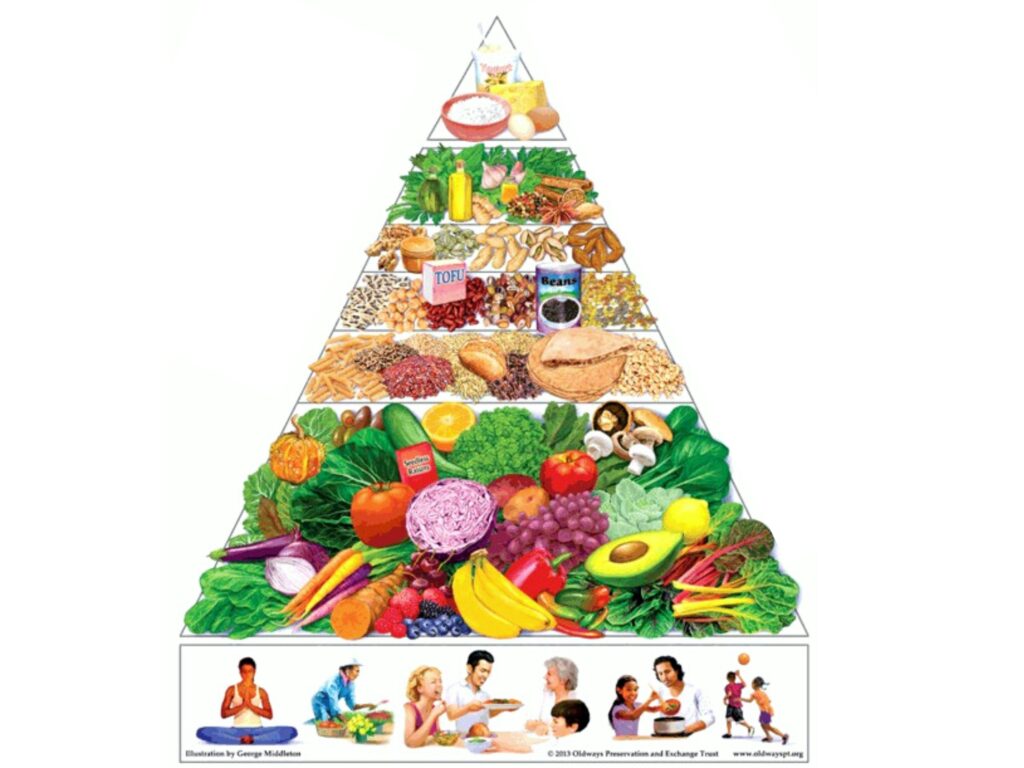
Food should be your first go to. Leafy greens pack folate. Fatty fish gives you vitamin D and omega 3s. Legumes offer iron and zinc. Nuts and seeds bring in hard to get minerals like selenium and magnesium. Even simple add ons like squeezing lemon over greens to boost iron absorption make an impact.
But supplements do have their place. They’re useful if a blood test shows you’re chronically low, or if your lifestyle or diet limits intake. Vegans may need B12. Folks in sun starved areas? Vitamin D. But popping pills without understanding what your body needs isn’t just pointless it can be harmful.
A solid baseline: aim to eat as many colors as you can, skip ultra processed stuff when you can help it, and check in on your nutrient status periodically. Real food does the heavy lifting. Supplements are backups, not shortcuts.
More on the top missing micronutrients
Bottom Line
Let’s not kid ourselves most people are walking around with at least one micronutrient deficiency they don’t know about. It’s not dramatic. You won’t always feel it right away. That’s the tricky thing about vitamins and minerals: they handle essential, background tasks that only become obvious when your energy tanks, your focus slips, or your body stops bouncing back the way it used to.
Step one is awareness. Stop assuming your diet has it covered just because you eat a salad a few times a week. Dig deeper. Mix up your meals. Get the real stuff leafy greens, legumes, whole grains, and foods that haven’t been stripped clean by processing. And check in with yourself. Blood work, a chat with a doctor, even a food log these are all easy steps that can save you later.
Micronutrients might be small, but there’s nothing minor about what they do. Pay attention now, and your body will thank you later.
 Lorvessa Veythanna is the kind of writer who genuinely cannot publish something without checking it twice. Maybe three times. They came to expert insights through years of hands-on work rather than theory, which means the things they writes about — Expert Insights, Exercise Tips and Techniques, Nutrition and Diet Plans, among other areas — are things they has actually tested, questioned, and revised opinions on more than once.
That shows in the work. Lorvessa's pieces tend to go a level deeper than most. Not in a way that becomes unreadable, but in a way that makes you realize you'd been missing something important. They has a habit of finding the detail that everybody else glosses over and making it the center of the story — which sounds simple, but takes a rare combination of curiosity and patience to pull off consistently. The writing never feels rushed. It feels like someone who sat with the subject long enough to actually understand it.
Outside of specific topics, what Lorvessa cares about most is whether the reader walks away with something useful. Not impressed. Not entertained. Useful. That's a harder bar to clear than it sounds, and they clears it more often than not — which is why readers tend to remember Lorvessa's articles long after they've forgotten the headline.
Lorvessa Veythanna is the kind of writer who genuinely cannot publish something without checking it twice. Maybe three times. They came to expert insights through years of hands-on work rather than theory, which means the things they writes about — Expert Insights, Exercise Tips and Techniques, Nutrition and Diet Plans, among other areas — are things they has actually tested, questioned, and revised opinions on more than once.
That shows in the work. Lorvessa's pieces tend to go a level deeper than most. Not in a way that becomes unreadable, but in a way that makes you realize you'd been missing something important. They has a habit of finding the detail that everybody else glosses over and making it the center of the story — which sounds simple, but takes a rare combination of curiosity and patience to pull off consistently. The writing never feels rushed. It feels like someone who sat with the subject long enough to actually understand it.
Outside of specific topics, what Lorvessa cares about most is whether the reader walks away with something useful. Not impressed. Not entertained. Useful. That's a harder bar to clear than it sounds, and they clears it more often than not — which is why readers tend to remember Lorvessa's articles long after they've forgotten the headline.