

Lyukfobia is a real thing, and it’s more common than you might think. It’s a specific phobia related to the fear of lice. This fear can really mess with your daily life and well-being.
I’ve done my homework on this. I’ve dug into the research and talked to experts. So, you can trust that what you’re reading here is accurate and helpful.
In this article, I’ll define lyukfobia, explain its causes and symptoms, and give you practical steps for managing and overcoming it. Let’s get started.
What is Lyukfobia?
Lyukfobia, also known as pediculophobia, is a specific phobia characterized by an intense and irrational fear of lice. It’s more than just being grossed out; it’s a deep-seated anxiety that can disrupt daily life.
Common triggers for lyukfobia include seeing lice, hearing about them, or even thinking about them. Just the mere mention of lice can cause severe distress.
Imagine you’re at a friend’s house, and they casually mention a lice outbreak at their kid’s school. If you have lyukfobia, this could trigger a panic attack.
To manage these triggers, it helps to be prepared. Keep a list of calming techniques handy. Deep breathing, mindfulness exercises, and talking to a trusted friend can all help.
Remember, it’s okay to seek professional help. A therapist can provide strategies to cope with and eventually overcome your fears.
Symptoms of Lyukfobia
Let’s talk about lyukfobia, and it’s not just in your head—literally.
Physical symptoms can be intense. Sweating, a rapid heartbeat, and shortness of breath are common. These reactions can feel overwhelming, making it hard to focus on anything else.
Psychologically, the impact is just as significant. Intense anxiety and panic attacks can hit out of nowhere. You might find yourself avoiding certain situations or places, which only adds to the stress.
So, what can you do, and first, recognize the signs. If you notice these physical and psychological symptoms, it’s time to take action.
Pro tip: Keep a journal. Write down when and where you experience these symptoms. This can help you and your healthcare provider identify patterns and triggers.
Next, seek support. Talking to a therapist or counselor can make a huge difference. They can provide strategies to manage your anxiety and avoidance behaviors.
Remember, you’re not alone. Many people deal with similar fears and anxieties. Reaching out for help is a strong and positive step.
Past Experiences
Past traumatic experiences with lice can really stick with you. Imagine the itchy, relentless sensation crawling on your scalp, the sight of tiny bugs in your hair, and the smell of harsh chemicals from treatments. These memories can be so vivid and distressing that they lead to the development of lyukfobia.
Genetic and Environmental Factors
Genetics play a role too. If your family has a history of anxiety or phobias, you might be more susceptible. But it’s not just about genes.
Your environment matters a lot. Growing up in a household where lice were a frequent, uncontrolled problem can heighten your fear. The constant worry, the sound of parents discussing treatment options, and the feel of combing through your hair—these sensory details can embed deep fears.
Diagnosis and Professional Help
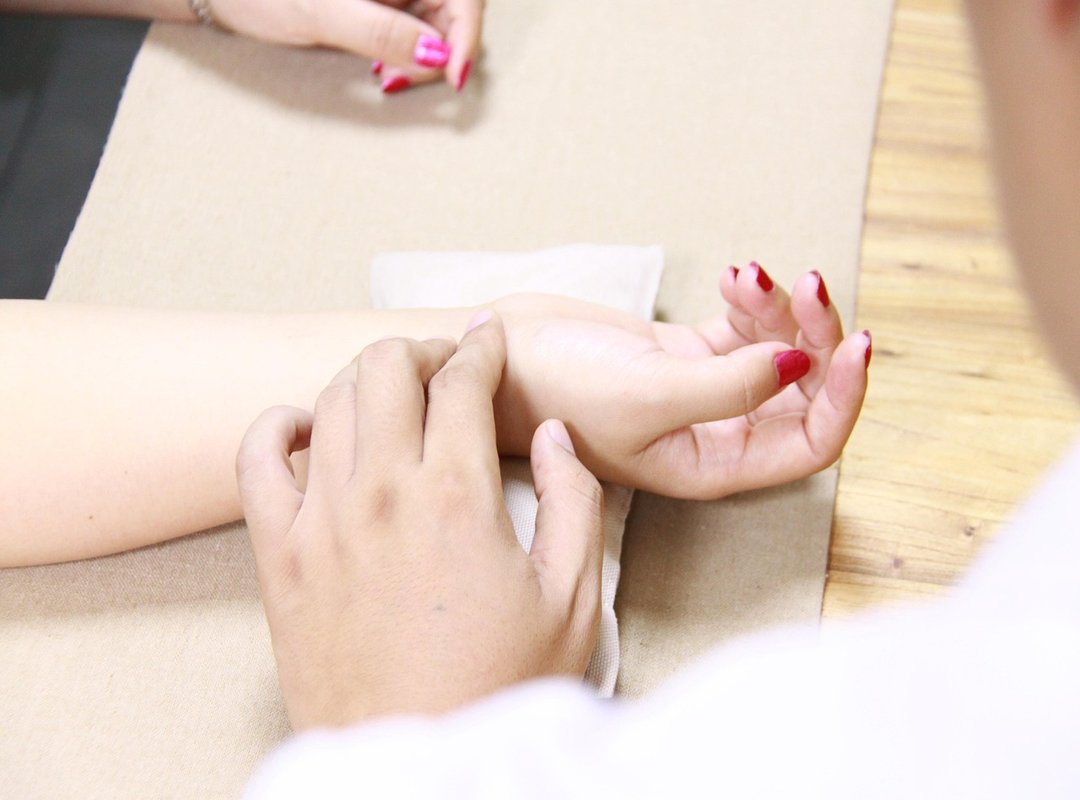
Let’s talk about lyukfobia. It’s a real thing, and it’s more than just being scared of something. The DSM-5, which is like the bible for mental health pros, has specific criteria to diagnose it.
When to seek help? If you’re avoiding certain situations or places because of your fear, that’s a red flag. Or if it’s affecting your daily life—like not going out or seeing friends—that’s another sign. lyukfobia
Now, let’s compare two scenarios:
- Scenario A: You feel anxious but can still go about your day. It’s annoying, but manageable.
- Scenario B: Your fear is so intense that it stops you from living your life. You avoid social events, and it’s causing stress at work.
In Scenario A, you might try some self-help techniques first. But in Scenario B, it’s time to see a professional. They can give you a proper diagnosis and a treatment plan tailored to your needs.
Remember, there’s no shame in getting help, and it’s a step towards feeling better.
Treatment Options for Lyukfobia
When it comes to lyukfobia, there are a couple of effective treatment options that can make a real difference.
Cognitive Behavioral Therapy (CBT): This approach is all about changing the way you think and react. CBT uses exposure therapy, which gradually and safely exposes you to the source of your fear. It also involves cognitive restructuring, helping you challenge and change negative thought patterns.
The benefit? You start to feel more in control and less anxious over time.
Medication: For some, medication like anti-anxiety drugs can be a game changer. These can help manage the intense physical and emotional symptoms, making it easier to work on the underlying issues.
The key is finding what works best for you. Sometimes a combination of both CBT and medication can be the most effective.
Self-Help Strategies for Managing Lyukfobia
Dealing with lyukfobia can be a real challenge. But there are practical steps you can take to make it more manageable.
First, let’s talk about relaxation techniques. Deep breathing, progressive muscle relaxation, and mindfulness can all help reduce anxiety. These methods are simple and effective.
They calm your mind and body, making it easier to handle stress.
Exposure therapy at home is another powerful tool. It involves gradually exposing yourself to lice-related stimuli in a controlled and safe environment. This helps desensitize you over time.
You start small, like looking at pictures, and work your way up.
The benefits, and you gain control over your fear. You build confidence and reduce the power that lyukfobia has over you.
It’s all about taking it one step at a time.
Taking Control of Lyukfobia
Lyukfobia is an intense, irrational fear of voids or empty spaces. Symptoms often include anxiety, panic attacks, and a strong urge to avoid situations that trigger the phobia. Causes can range from traumatic experiences to learned behaviors.
Treatment options vary, including cognitive-behavioral therapy and exposure therapy. Medication may also be prescribed in some cases. Seeking professional help is crucial for managing and overcoming lyukfobia.
Additionally, self-help strategies such as mindfulness and relaxation techniques can be beneficial. Take the first step towards a more comfortable and less anxious life by addressing your fears.
 Donaldoth Wilsonian is the kind of writer who genuinely cannot publish something without checking it twice. Maybe three times. They came to fitness routines and advice through years of hands-on work rather than theory, which means the things they writes about — Fitness Routines and Advice, Mental Wellbeing Strategies, Expert Insights, among other areas — are things they has actually tested, questioned, and revised opinions on more than once.
That shows in the work. Donaldoth's pieces tend to go a level deeper than most. Not in a way that becomes unreadable, but in a way that makes you realize you'd been missing something important. They has a habit of finding the detail that everybody else glosses over and making it the center of the story — which sounds simple, but takes a rare combination of curiosity and patience to pull off consistently. The writing never feels rushed. It feels like someone who sat with the subject long enough to actually understand it.
Outside of specific topics, what Donaldoth cares about most is whether the reader walks away with something useful. Not impressed. Not entertained. Useful. That's a harder bar to clear than it sounds, and they clears it more often than not — which is why readers tend to remember Donaldoth's articles long after they've forgotten the headline.
Donaldoth Wilsonian is the kind of writer who genuinely cannot publish something without checking it twice. Maybe three times. They came to fitness routines and advice through years of hands-on work rather than theory, which means the things they writes about — Fitness Routines and Advice, Mental Wellbeing Strategies, Expert Insights, among other areas — are things they has actually tested, questioned, and revised opinions on more than once.
That shows in the work. Donaldoth's pieces tend to go a level deeper than most. Not in a way that becomes unreadable, but in a way that makes you realize you'd been missing something important. They has a habit of finding the detail that everybody else glosses over and making it the center of the story — which sounds simple, but takes a rare combination of curiosity and patience to pull off consistently. The writing never feels rushed. It feels like someone who sat with the subject long enough to actually understand it.
Outside of specific topics, what Donaldoth cares about most is whether the reader walks away with something useful. Not impressed. Not entertained. Useful. That's a harder bar to clear than it sounds, and they clears it more often than not — which is why readers tend to remember Donaldoth's articles long after they've forgotten the headline.