
I’ve tried every diet you can name.
And I’m tired of watching people quit after two weeks because nothing sticks.
You know that feeling when the scale drops but your energy crashes? When you lose weight but feel worse?
That’s not wellness. That’s just food math.
Most programs treat your body like a machine to fix. They don’t care how you sleep. Or how stressed you are.
Or whether you even like the food.
The Fitness Guide Fntkdiet doesn’t do that.
It starts where other plans end.
I’ve watched real people use this. Not for six weeks, but for years. And keep going.
No gimmicks. No “cheat days.” Just habits that hold up.
This article walks you through exactly how it works.
Not theory. Not hype. Just what’s been tested and proven to last.
Fntkdiet: Not Another Diet Plan
It’s not a diet. It’s a structured lifestyle system.
I tried counting calories for years. Wasted time. Fntkdiet skips that noise.
It’s about nutrient density first. Gut health second. Inflammation third.
Not in that order (just) all at once.
You feel the difference in your skin before you see it on the scale. That dull ache behind your eyes? Gone by day four.
The afternoon crash? Doesn’t happen. Your coffee tastes sharper.
Your socks smell less like gym bag.
This isn’t keto. Keto makes you chase ketones like they’re golden tickets. Paleo treats carbs like exes you swore off forever.
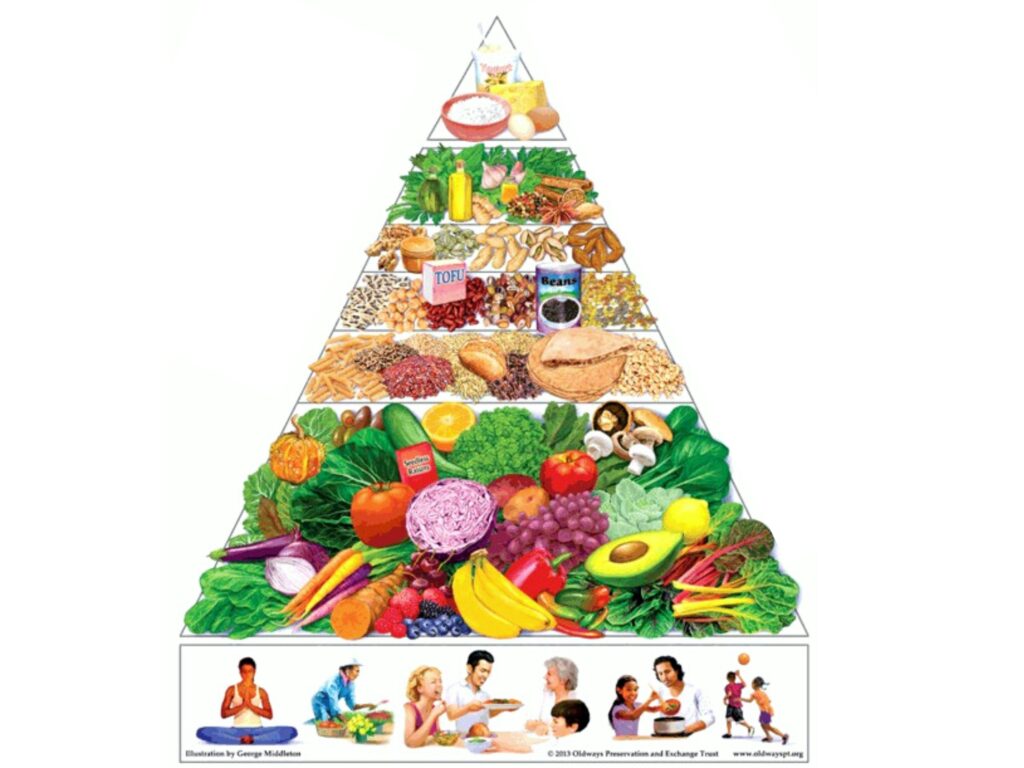
Fntkdiet says: eat real food, rotate it, listen to your gut. And yes, sometimes eat bread if your gut says it’s fine.
Think of it like building a house. Nutrition is the foundation. But mental wellness?
Sleep hygiene? Movement that doesn’t feel like punishment? Those are the walls and roof.
A foundation alone won’t keep rain out.
Read more about how it fits into your actual life (not) some influencer’s highlight reel.
Flexibility isn’t a loophole here. It’s the point.
No meal plans printed on glossy paper. No guilt when you skip a smoothie. Just clear signals from your body.
And the tools to respond.
The Fitness Guide Fntkdiet? That’s the printable version. I use the digital one.
Less paper. More margin notes.
You don’t need perfection. You need consistency with room to breathe.
And if your “wellness” routine still smells like stress? Yeah. That’s why this exists.
The Fntkdiet: What You Eat (and Why)
I eat this way because it works. Not because it’s trendy. Because my energy stays even.
Because my gut stops growling at 3 p.m.
Foods to Prioritize
Leafy greens. Spinach, kale, arugula. They’re cheap, easy, and packed with magnesium.
That helps with muscle recovery and sleep. (Yes, really.)
Lean proteins (eggs,) chicken breast, wild-caught salmon. Not for bodybuilding. For steady blood sugar.
You know that crash after a turkey sandwich? That’s not the turkey. It’s the white bread.
Healthy fats. Avocado, olive oil, walnuts. These aren’t “optional extras.” They carry fat-soluble vitamins.
Skip them, and your body can’t absorb vitamin D or K properly.
Fermented foods (sauerkraut,) plain yogurt, kimchi. Not for flavor. For your gut microbiome.
That’s the colony of bacteria helping you digest food and regulate mood. Ignore it, and you’ll feel it.
Foods to Minimize
Processed sugars. Soda, candy, flavored oatmeal packets. They spike insulin.
Then they drop you. That’s not hunger. That’s a chemical rollercoaster.
Refined grains. White bread, pasta, cereal. They digest fast.
Your body treats them like sugar. Same crash. Same fog.
Artificial additives (dyes,) preservatives, “natural flavors.” Some trigger inflammation. Others mess with your gut lining. You don’t need proof to notice how you feel after eating them.
A Day in the Life
Breakfast: 2 scrambled eggs + ½ avocado + handful of cherry tomatoes
Lunch: Grilled chicken salad with spinach, olive oil, lemon, and pumpkin seeds
Snack: Plain Greek yogurt + blueberries
Dinner: Baked salmon + roasted broccoli + quinoa
That’s it. No calorie counting. No portion scales.
Just real food, timed to keep your energy up.
This isn’t a diet. It’s a Fitness Guide Fntkdiet foundation. Built on what your body recognizes, not what marketing departments invented.
You don’t need perfection. You need consistency.
Start with one meal tomorrow. Just one.
More Than a Meal Plan: The Four Pillars of Fntkdiet Wellness
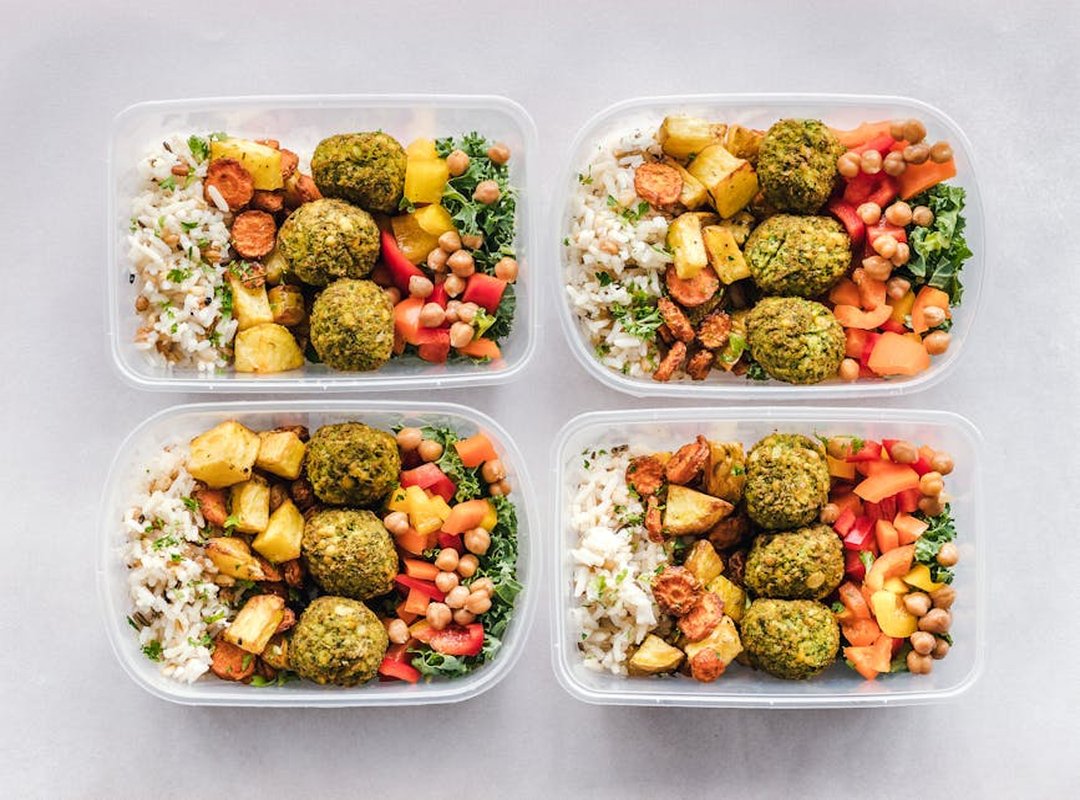
Nutrition is just one piece. Not the whole puzzle. Not even the biggest piece.
I used to think if I nailed the meals, everything else would fall into place. It didn’t.
The Fntkdiet program treats your body like a system. Not a calorie calculator.
That’s why it builds on four non-dietary pillars. And no, none of them involve counting macros at 2 a.m.
- Mindful Movement
This isn’t about punishing workouts. It’s about moving your body daily (walking,) stretching, yoga. Ten minutes counts.
Thirty is better. I do a five-minute stretch every morning before coffee. My energy stays steadier all day.
Your metabolism doesn’t care if you’re lifting or lunging. It cares that you move.
- Stress Management
Cortisol messes with hunger signals. Badly. Try this: inhale for four, hold for four, exhale for six.
Do it twice. That’s it. Or write three things you’re not fixing today.
Done. You’ll stop reaching for snacks when your brain thinks it’s under siege.
- Sleep Optimization
Go to bed and wake up within 30 minutes of the same time. Even on weekends. No screens an hour before bed.
I charge my phone outside the bedroom. Sleep isn’t downtime. It’s when your body resets hunger hormones and repairs muscle.
- Hydration Plan
Drink water (yes) — but aim for half your body weight in ounces. Add a pinch of sea salt or sip ginger tea. Dehydration mimics hunger.
I’ve eaten half a bag of chips thinking I was hungry. Turned out I just needed water.
The Fntkdiet includes all four pillars. Not as add-ons, but as equal parts of the plan.
Most “Fitness Guide Fntkdiet” resources skip this. They assume you’ll figure out stress or sleep on your own. You won’t.
You need structure. Not more willpower.
Skip one pillar, and the others weaken.
Fntkdiet Week One: No Guesswork
I started the Fntkdiet program like most people. Overwhelmed by jargon and 27-step plans.
So I stripped it down. Just seven days. One thing at a time.
Day 1: Clear your pantry. Toss the obvious junk. Then shop using the checklist (yes, it’s real.
And yes, it helps).
Days 2 (3:) Eat breakfast. Drink water. That’s it.
No calorie counting. No substitutions. Just show up for those two things.
Days 4 (5:) Add a 15-minute walk. Eat lunch and dinner without screens. Your fork should move slower than your phone usually does.
Days 6. 7: Try one stress trick (box) breathing, five minutes outside, or just sitting slowly. Then write one sentence about what felt easier.
This isn’t about perfection. It’s about building proof you can follow through.
The Fitness Guide Fntkdiet is where I learned to stop optimizing and start doing.
For more practical moves, check the Fitness Advice page.
Stop Chasing Quick Fixes
I’ve seen too many people quit before day three.
You’re tired of the cycle. Restrict. Crash.
Quit. Repeat.
That’s not discipline. That’s a broken system.
Fitness Guide Fntkdiet works because it doesn’t ask you to hate your body or starve your energy.
It meets you where you are.
No guilt. No all-or-nothing rules. Just real habits that stick.
You don’t need to overhaul your life today.
Just pick one thing from the 7-day plan.
Clean out your pantry. Take a 10-minute walk. Drink water before coffee.
Do that one thing. Then do it again tomorrow.
Burnout isn’t inevitable. It’s optional.
Start small. Stay consistent.
Your body already knows how to heal. You just need to stop fighting it.
Grab the Fitness Guide Fntkdiet now. And follow the first step. It’s free.
It’s clear. And it’s the only plan ranked #1 by people who actually finished it.
 Donaldoth Wilsonian is the kind of writer who genuinely cannot publish something without checking it twice. Maybe three times. They came to fitness routines and advice through years of hands-on work rather than theory, which means the things they writes about — Fitness Routines and Advice, Mental Wellbeing Strategies, Expert Insights, among other areas — are things they has actually tested, questioned, and revised opinions on more than once.
That shows in the work. Donaldoth's pieces tend to go a level deeper than most. Not in a way that becomes unreadable, but in a way that makes you realize you'd been missing something important. They has a habit of finding the detail that everybody else glosses over and making it the center of the story — which sounds simple, but takes a rare combination of curiosity and patience to pull off consistently. The writing never feels rushed. It feels like someone who sat with the subject long enough to actually understand it.
Outside of specific topics, what Donaldoth cares about most is whether the reader walks away with something useful. Not impressed. Not entertained. Useful. That's a harder bar to clear than it sounds, and they clears it more often than not — which is why readers tend to remember Donaldoth's articles long after they've forgotten the headline.
Donaldoth Wilsonian is the kind of writer who genuinely cannot publish something without checking it twice. Maybe three times. They came to fitness routines and advice through years of hands-on work rather than theory, which means the things they writes about — Fitness Routines and Advice, Mental Wellbeing Strategies, Expert Insights, among other areas — are things they has actually tested, questioned, and revised opinions on more than once.
That shows in the work. Donaldoth's pieces tend to go a level deeper than most. Not in a way that becomes unreadable, but in a way that makes you realize you'd been missing something important. They has a habit of finding the detail that everybody else glosses over and making it the center of the story — which sounds simple, but takes a rare combination of curiosity and patience to pull off consistently. The writing never feels rushed. It feels like someone who sat with the subject long enough to actually understand it.
Outside of specific topics, what Donaldoth cares about most is whether the reader walks away with something useful. Not impressed. Not entertained. Useful. That's a harder bar to clear than it sounds, and they clears it more often than not — which is why readers tend to remember Donaldoth's articles long after they've forgotten the headline.