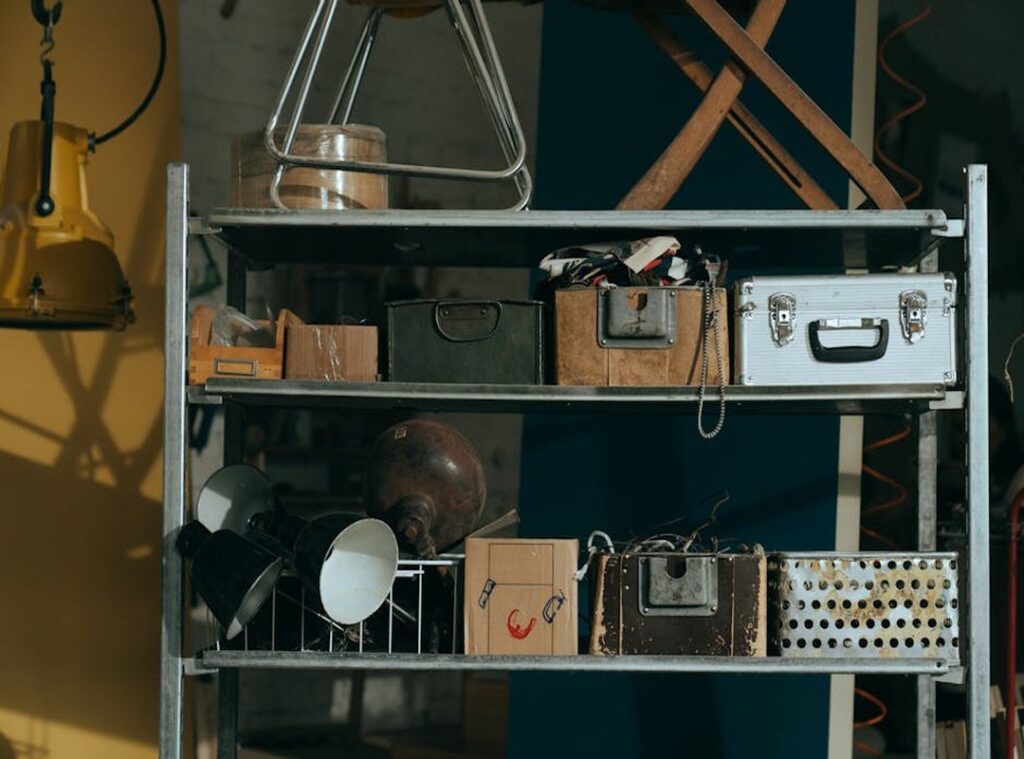
You’re standing in your living room. Boxes everywhere. That closet you swore would hold it all?
It didn’t.
I’ve watched people rent units too small, then pay double to upgrade. Or too big, and waste hundreds on empty space. Or worse.
Rent without climate control and lose photos, documents, furniture.
That’s why I wrote How to Find the Right Selfstorage Unit Ewmagwork.
I’ve helped over 400 people pick the right unit. Not one got stuck with moldy boxes or a $200 surprise fee.
This isn’t theory. It’s what actually works.
You’ll get a simple checklist. Five questions. Done in under ten minutes.
No fluff. No jargon. Just clear choices.
You’ll know exactly what size you need. Whether you need climate control. How to spot shady pricing.
And you’ll walk away confident (not) confused.
Step 1: Assess What You’re Storing (Before You Even Look)
I skip this step once (and) I pay for it. Every time.
You do not start hunting for a unit until you know what’s going in.
Grab a pen. Or your phone. List the big stuff: sofa, mattress, fridge, that box of old college textbooks you swear you’ll read someday.
Don’t guess how many boxes. Count them. Seriously.
Group items by fragility and value. That vintage lamp? Not the same as your winter coats.
Your TV isn’t the same as your camping gear. This isn’t overthinking. It’s avoiding “oh crap” moments later.
How long are you storing? Six weeks? Two years?
That changes everything.
Short-term? You want easy access. Maybe drive-up.
No climate control needed unless it’s July in Phoenix.
Long-term? Climate control matters. Dust buildup matters.
Security matters more.
(Pro tip: Snap one photo of every item before it goes in. Not for Instagram. For insurance.
For your future self who forgets which box holds the good knives.)
This is where the real work starts. Not when you’re scrolling storage listings at 11 p.m.
The Ewmagwork guide walks through exactly how to map this out without losing your mind.
If you rush this, you’ll end up with the wrong size, wrong features, or worse. No idea what you even lost.
How to Find the Right Selfstorage Unit Ewmagwork isn’t magic. It’s just doing this first.
Do it now. Not after you rent. Not after you pack.
Now.
Step 2: Size Isn’t Guesswork (It’s) Math You Can See
I used to rent a 10×20 unit for my studio apartment. Turns out I needed half that space. I paid $140 a month for air.
You’re asking What size storage unit do I need?
That’s not a question. It’s a trap.
Most people pick based on fear, not measurement.
Let’s cut the fluff. A 5’x5’ unit is a large walk-in closet. Not a pantry.
Not a coat closet. A walk-in. You can fit holiday decor, a mattress, and 15 boxes.
If you’re storing more than that, stop right there.
I wrote more about this in How do you handle a workplace dispute ewmagwork.
A 10×10? That’s your average bedroom. Floor to ceiling.
Walls included. Yes, it holds a one-bedroom apartment (but) only if you pack like a Navy SEAL. (And no, stacking couches vertically doesn’t count as “packing smart.”)
10×20 is a one-car garage. Not the fancy Tesla-charging kind. The real one (with) oil stains and a broken lawnmower in the corner.
That’s where full-house moves live. Refrigerators. Dressers.
Your ex’s couch you swore you’d return.
Here’s what nobody tells you:
Over-sizing costs real money. $30. $80 extra per month adds up fast. That’s $960 a year for space you never use.
Try the chalk method. Grab sidewalk chalk. Mark out 5×5 on your driveway.
Stand inside it. Now try to fit your desk, two chairs, and a bookshelf. Still think you need 10×10?
How to Find the Right Selfstorage Unit Ewmagwork starts here (not) with a salesperson’s smile. It starts with tape measure in hand and zero assumptions. Measure your stuff.
Climate Control: Not a Luxury. It’s a Lifesaver

I messed this up once. Stored my grandfather’s walnut desk in a standard unit during a Texas summer. Came back to warped drawers and cracked veneer.
Felt like I’d betrayed him.
A standard unit is just a metal box. It breathes with the weather. Hot in July.
Freezing in January. Humidity climbs like it’s got a personal grudge.
A climate-controlled unit holds steady. Think 55. 80°F. Low humidity.
No surprises.
You need it if you’re storing wood, leather, or anything that expands, contracts, or rots when ignored.
Wooden furniture? Yes. Leather couches?
Absolutely. That vintage guitar your uncle gave you? Non-negotiable.
Electronics too. Laptops, hard drives, even old DVDs warp or delaminate in heat and damp.
Important documents? Photos? Books?
They yellow. They mildew. I’ve seen photo albums turn into sticky, browned clumps.
(Not fun to unstick.)
Artwork, antiques, framed prints. Same deal. Temperature swings are silent killers.
Now (garden) tools? Patio chairs? Plastic bins full of off-season clothes?
A standard unit works fine. Save the money.
You don’t need climate control for everything. But you do need to know what deserves it.
How to Find the Right Selfstorage Unit Ewmagwork starts here (not) with price, but with what you’re actually storing.
By the way, handling tough decisions like this feels a lot like navigating team tension. Which reminds me (How) do you handle a workplace dispute ewmagwork covers how to stay calm when stakes feel high.
Ask yourself: What would I regret losing?
Then pick the unit that matches that answer.
Step 4: Security, Access, and Location (Don’t) Skip This
Price alone is a terrible reason to pick a unit.
I’ve seen people save $20 a month and lose $300 in stolen gear.
Security isn’t optional. Look for gated electronic access, 24/7 video surveillance, and working lights in every corner. If the parking lot looks sketchy at noon, it’ll be worse at midnight.
Ask yourself: Do I need 24/7 access? Or will 7 a.m. to 9 p.m. work fine? Drive-up access matters if you’re hauling furniture or boxes full of books.
Location is a trade-off. A spot near your apartment saves time. A cheaper one across town eats gas and patience.
Visit in person. Not just once. Go at night.
Check the hallways. Smell the air. Watch how staff talk to customers.
Cleanliness tells you everything about management.
So does whether the gate actually opens when you press the button.
This is where most people rush.
They sign online, skip the tour, and regret it later.
How to Find the Right Selfstorage Unit Ewmagwork starts here. Not with square footage, but with trust.
That’s why I always point people to Ewmagwork activism power from emergewomanmagazine (real-world) clarity beats glossy brochures every time.
You Picked the Right Unit. Finally.
I know how it feels to stare at twenty storage listings and freeze.
Too many sizes. Too many prices. Too much jargon about humidity control and drive-up access.
You followed the four steps: Assess what you’re storing. Size it right (not) too tight, not wasteful. Choose climate control only if you need it.
Then pick features that matter to you.
No more guessing. No more overpaying for space you won’t use. No more risking your stuff in a unit that’s too hot, too damp, or too far from your car.
That overwhelm? Gone.
You’ve got your checklist. It works.
How to Find the Right Selfstorage Unit Ewmagwork is no longer a question. It’s done.
Now go open that first tab.
Find a unit near you. Book a tour. Take the keys.
You’re ready.
 Donaldoth Wilsonian is the kind of writer who genuinely cannot publish something without checking it twice. Maybe three times. They came to fitness routines and advice through years of hands-on work rather than theory, which means the things they writes about — Fitness Routines and Advice, Mental Wellbeing Strategies, Expert Insights, among other areas — are things they has actually tested, questioned, and revised opinions on more than once.
That shows in the work. Donaldoth's pieces tend to go a level deeper than most. Not in a way that becomes unreadable, but in a way that makes you realize you'd been missing something important. They has a habit of finding the detail that everybody else glosses over and making it the center of the story — which sounds simple, but takes a rare combination of curiosity and patience to pull off consistently. The writing never feels rushed. It feels like someone who sat with the subject long enough to actually understand it.
Outside of specific topics, what Donaldoth cares about most is whether the reader walks away with something useful. Not impressed. Not entertained. Useful. That's a harder bar to clear than it sounds, and they clears it more often than not — which is why readers tend to remember Donaldoth's articles long after they've forgotten the headline.
Donaldoth Wilsonian is the kind of writer who genuinely cannot publish something without checking it twice. Maybe three times. They came to fitness routines and advice through years of hands-on work rather than theory, which means the things they writes about — Fitness Routines and Advice, Mental Wellbeing Strategies, Expert Insights, among other areas — are things they has actually tested, questioned, and revised opinions on more than once.
That shows in the work. Donaldoth's pieces tend to go a level deeper than most. Not in a way that becomes unreadable, but in a way that makes you realize you'd been missing something important. They has a habit of finding the detail that everybody else glosses over and making it the center of the story — which sounds simple, but takes a rare combination of curiosity and patience to pull off consistently. The writing never feels rushed. It feels like someone who sat with the subject long enough to actually understand it.
Outside of specific topics, what Donaldoth cares about most is whether the reader walks away with something useful. Not impressed. Not entertained. Useful. That's a harder bar to clear than it sounds, and they clears it more often than not — which is why readers tend to remember Donaldoth's articles long after they've forgotten the headline.