What Journaling Really Does for Your Mind
Journaling isn’t about writing the next great novel it’s about clearing mental space. When thoughts loop in your head, writing them down gives them somewhere to go. That simple act creates distance. It stops the recycling of worries, tasks, regrets, and half formed ideas.
Beyond decluttering, journaling helps surface things you weren’t consciously aware of. You start writing about one thing, and suddenly you’re unpacking frustration from a conversation three days ago. That emotional excavation doesn’t always happen through thinking alone but it almost always happens through writing.
And when the outside world feels chaotic, journaling creates a pocket of order. There’s something grounding about seeing your thoughts laid out, structured even haphazardly on a page. It’s not about neatness. It’s about anchoring yourself with clarity when everything else feels too fast, too loud, or too much.
Scientifically Proven Benefits
The science is clear: journaling isn’t just some trendy wellness hack. It’s one of the few low effort tools that actually moves the needle on mental health. Multiple studies back this up journaling helps reduce symptoms of both anxiety and depression. By getting your thoughts out of your head and onto paper, the feedback loop of worry starts to lose its grip. You give emotions less power just by naming them.
It also gives your brain a boost. Regular journaling strengthens cognitive functions like memory and focus. Writing things down helps you process experiences more deeply, which makes recall sharper and emotional regulation a little easier. It’s like a daily workout for your executive function just without the sweat.
Over time, journaling builds one of the most underrated mental health muscles: self awareness. The more often you pause to reflect, the better you understand what truly drives your moods, decisions, and reactions. That kind of insight is hard to buy yet free every time you pick up a pen.
How to Make Journaling a Sustainable Daily Practice
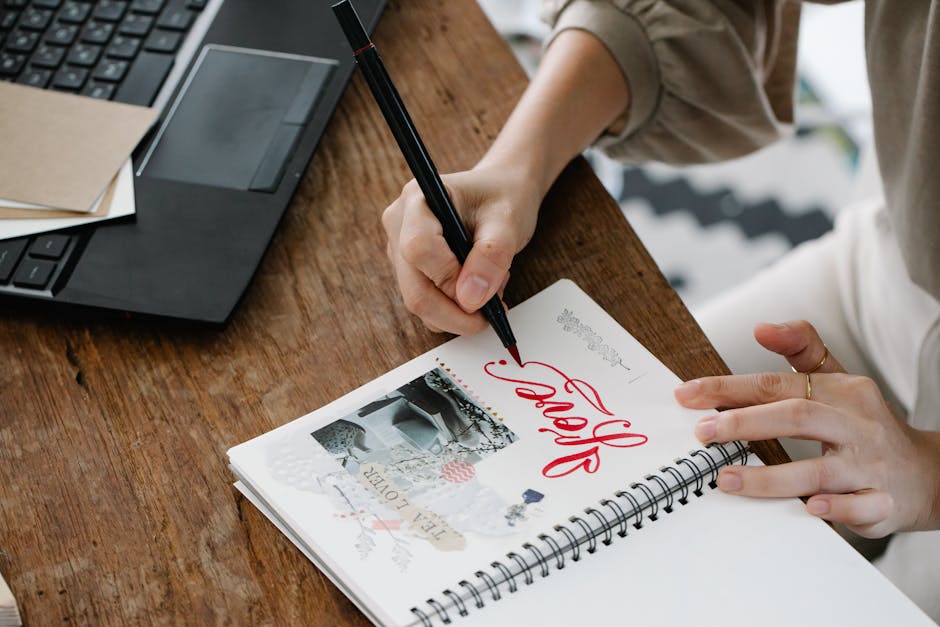
Journaling doesn’t need to be complicated, long, or poetic. It just needs to be honest. Whether you’re writing three things you’re grateful for, emptying your head with a stream of consciousness dump, or responding to a simple prompt like “What made me feel something today?”, what matters is showing up.
Keep it short. Five minutes a day is enough to make an impact. Some days that’s all you’ll have, and that’s fine. The key is consistency, not eloquence.
Don’t chase perfect syntax or big revelations. You’re not writing a novel. You’re giving your brain room to breathe. The goal is clarity, not performance.
For extra traction, link journaling to another daily ritual maybe right after your morning coffee or just before brushing your teeth at night. Better yet, pair it with other daily habits for wellness to create a stack that reinforces itself.
Start simple. Keep going. You’ll thank yourself when life gets noisy.
Overcoming Common Blocks
Most people don’t quit journaling because it’s hard. They stop because it feels awkward, time consuming, or pointless. Here’s how to get past that:
“I don’t know what to write.” Start with structured prompts. Simple things like “What’s bothering me today?” or “What gave me energy this week?” can unlock doors you didn’t even know were there. Don’t overthink it just respond.
“I don’t have time.” You don’t need an hour and a candlelit desk setup. Use voice to text while walking the dog, or jot bullet points while waiting on coffee. Journaling isn’t about length. It’s about frequency.
“It feels silly.” Forget the idea that your journal has to be poetic or profound. This isn’t homework. Reframe it as mental maintenance. A way to clear out noise, not create art. The more honest it is, the more valuable it becomes. You’re not writing for an audience. You’re writing to think.
Make the process frictionless, and it becomes a habit. Keep judging it, and it becomes a chore.
The Long Term Payoff
Journaling isn’t flashy, but over time, it’s one of the most solid tools for understanding yourself. By tracking entries day after day, you start to see the patterns triggers that throw you off, and what helps you bounce back. That mini flare up last Thursday? Probably tied to a lack of sleep. The mood dip three weeks ago? Maybe it always follows after too much scrolling. You get to know your cycles, not guess at them.
As the days pile up, your journal quietly becomes a record of your progress. You start seeing that you’ve actually handled more than you give yourself credit for. That’s what builds resilience not pep talks, but proof. Flip back a few pages and you’ll realize: you already faced the hard thing and kept going.
Mix in small daily wellness habits—like stretching, walking, drinking water and your journal acts like the glue between them. It ties together the mental and physical pieces. Over time, journaling isn’t just a habit it becomes an anchor. One that keeps you centered when life tries to pull you off track.
 Victoria Sladeyan is the kind of writer who genuinely cannot publish something without checking it twice. Maybe three times. They came to exercise tips and techniques through years of hands-on work rather than theory, which means the things they writes about — Exercise Tips and Techniques, Fitness Routines and Advice, Health and Wellness Updates, among other areas — are things they has actually tested, questioned, and revised opinions on more than once.
That shows in the work. Victoria's pieces tend to go a level deeper than most. Not in a way that becomes unreadable, but in a way that makes you realize you'd been missing something important. They has a habit of finding the detail that everybody else glosses over and making it the center of the story — which sounds simple, but takes a rare combination of curiosity and patience to pull off consistently. The writing never feels rushed. It feels like someone who sat with the subject long enough to actually understand it.
Outside of specific topics, what Victoria cares about most is whether the reader walks away with something useful. Not impressed. Not entertained. Useful. That's a harder bar to clear than it sounds, and they clears it more often than not — which is why readers tend to remember Victoria's articles long after they've forgotten the headline.
Victoria Sladeyan is the kind of writer who genuinely cannot publish something without checking it twice. Maybe three times. They came to exercise tips and techniques through years of hands-on work rather than theory, which means the things they writes about — Exercise Tips and Techniques, Fitness Routines and Advice, Health and Wellness Updates, among other areas — are things they has actually tested, questioned, and revised opinions on more than once.
That shows in the work. Victoria's pieces tend to go a level deeper than most. Not in a way that becomes unreadable, but in a way that makes you realize you'd been missing something important. They has a habit of finding the detail that everybody else glosses over and making it the center of the story — which sounds simple, but takes a rare combination of curiosity and patience to pull off consistently. The writing never feels rushed. It feels like someone who sat with the subject long enough to actually understand it.
Outside of specific topics, what Victoria cares about most is whether the reader walks away with something useful. Not impressed. Not entertained. Useful. That's a harder bar to clear than it sounds, and they clears it more often than not — which is why readers tend to remember Victoria's articles long after they've forgotten the headline.